
Categories
Acoustic Amps Bass Digital DIY Effects Gigs guitar Music Pickups Recording Technique The Secret Room Tonefiend DIY Club

The Secret Room: Not So Secret Anymore

Now with more secrets — and less secrecy.

Last winter I tried an odd experiment: a website where players were encouraged to post their best tone secrets — the kinds of tricks and techniques that are almost too good to share. But in order to get, you had to give: The site was password-protected, and the password was only sent to those who contributed secrets.

Musicians responded, no doubt encouraged by the cool prizes awarded to the top secrets, as judged by user ratings. I also asked some cool musician friends to contribute the first round of secrets, yielding tips from the likes of composer/virtuoso Lyle Workman, metallurgist-turned jazzbo Alex Skolnick, original Chili Peppers guitarist Jack Sherman, boy genius Blake Mills, and other great players.

Once the contest ended, traffic slowed, but the site has slowly but surely grown. And now, as an experiment, I’ve removed the password protection. Now anyone can visit the Secret Room, AKA tonesecret.com, even if they haven’t coughed up a secret. So please do!

It’s a fascinating document. Naturally, the quality of secrets varies, as does the level of expertise needed to make the most of them. I exerted a light editorial hand — only silly or flat-out-wrong tips were vetoed, and I didn’t do much in the way of spelling and grammar repair. Sometimes the contents are a little repetitious — but trust me, there is much wisdom and originality throughout.

I hope you find something helpful — and I hope you’re moved to contribute some secrets yourself using the site’s submission form. And who knows? There may be more tawdry bribes fabulous prizes lurking around the corner…
Categories
Music Technique

Does a Guitar Ever Play You?

The other day I posted a demo for a high-gain pickup, and I’m usually a lower-gain guy. Zyon said in comments that it sounded like Santana. (It sort of did, if you can imagine a clumsy, out-of-tune Santana with a really short attention span.)

But I assure you, Carlos was far from my conscious mind. (Or at least 20 miles away at his place across the bridge.) It’s just that the pickup’s unaccustomed searing attack and saturated tone made me hork up those emotive, minor-key melodies.

Which makes me pose this question:

Isn’t it a rather pathetic rationale for having one of the main reasons for having a bunch of guitars? Not just the sounds they make, but sounds they force you to make?

It’s not just me, is it?

Categories
guitar Music

Play Me Something I Don’t Already Know!

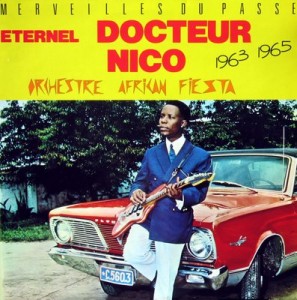
Africa’s finest: The eternal Dr. Nico.

Looking for some cool new stuff to listen to? Or some cool old stuff that just happens to be new to you? Me too!

This thread’s goal is to share some personal guitar or bass favorites that aren’t as well known as they should be. You know — the sort of stuff you play for your best musician friends after murmuring “Oh man, you are not going to believe this!”

This is not a contest. There are no rules. You can share anything in any musical style. It can be virtuosic or primitive. It can be new or ancient. It can even be something widely known, so long as you suspect it may be new to some of your fellow readers. Anything cool and inspiring is welcome.

And as if to prove that there are no rules. I’m going to start the ball rolling with two favorite guitarists who were big stars — just not in English-speaking world.

Categories
guitar Music Recording

No Stinkin’ Amps (or Amp Simulators)

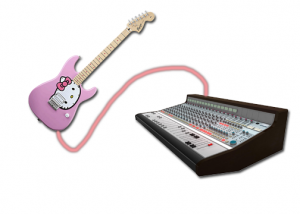
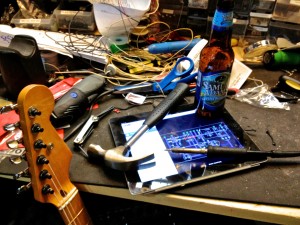
An advanced technical diagram.

No videos or audio examples today — I’m in the midst of “reconfiguring” my studio. (That’s the technical term for pulling stuff out of racks, tangling all your cables, making an ungodly mess, and dissolving into a puddle of bitter, frustrated tears.)

But the good news is, I got some cool new stuff. I’m switching over a pair of large Pro Tools and Apogee systems to a minimalist Universal Audio Apollo setup, an audio interface that doubles as a plug-in host. UA makes killer plug-ins, but I’ve never owned any, since they’ve always run off of proprietary PCI cards, and the card slots in my computers have always been filled to capacity. Now that I have the UA stuff in my grubby mitts, I’m obsessing on the idea of exploring non-amped guitar tones, especially distorted ones. And I’m not talking amp simulators, but the distortion you get from overdriving a recording console’s preamps.

Categories
guitar Music Pickups

New Audio Player: Loud & Cloud!

Hi folks — I’m experimenting with a switch to the SoundCloud audio player. I’ve been eyeing it for a long time, but until now it’s been entirely Flash-based, which meant you couldn’t access SoundCloud clips from mobile devices. But they’ve just introduced HTML5 support, so I’m ready to make the plunge.

The clip is an accompaniment to the post below about using unspotted Seth Lover pickups with the expanded Phase 2 version of the Jimmy Page wiring scheme.

One of the coolest things about SoundCloud (beside the nifty waveform view) is the fact that it supports notes. Just click on the little icons beneath the waveform to read a description of which pickup settings are being heard at a particular point. Sweet.

Work for you? Computer? Phone? Tablet? Any comments or questions? (Thanks in advance for for your unpaid beta testing!)


Categories
Digital guitar Music Recording

A Loop-Oriented Laptop Guitar Rig

I haz a band.

My ol’ pals at Guitar Player magazine interviewed me for an instructional article on looping for next month’s issue. It was especially flattering to be invited, because the interviewer was Barry Cleveland, a fine guitarist and a leading figure in the looping community.

I put together this little video to demo the digital rig I use onstage with my duo band, Mental 99, and I’ve cross-posted it here. It covers software, hardware loopers, looping techniques, and the like. Have a listen.

Categories
guitar Music

Afrobeat Forever

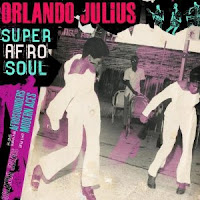
The first good band I ever played in was led by Nigerian singer/saxophonist Orlando Julius Ekemode. I was an obsessive African pop fan, astonished to find myself playing afrobeat, highlife, and juju with a bunch of West African expats in Oakland, California. The crew included the great African music scholar C.K. Ladzekpo and Kwasi “Rocky” Dzidornu, who worked as a session player in London, where, among other things, he recorded the iconic conga track on the Stones’ “Sympathy for the Devil.” Other players had recorded with great West African artists such as King Sunny Ade, Hedzoleh Soundz, Sonny Okosuns, and the big kahuna of African funk, Fela Kuti.

Orlando Julius — “O.J.” — was a kind bandleader who patiently coached me on how not to suck at the styles. I learned so much about time-keeping, note placement, and consistency. And if there’s a better consistency exercise than playing an unvarying one-bar pattern for a half-hour song, I can’t think of it.

I haven’t performed literal afrobeat in many years, though I still find myself alluding to the style. In fact, I just nipped down to the studio and recorded this lick:

The Quintessential Fela Kuti Lick

…and it still makes me happy. 

Categories
guitar Music

This Charming Riff

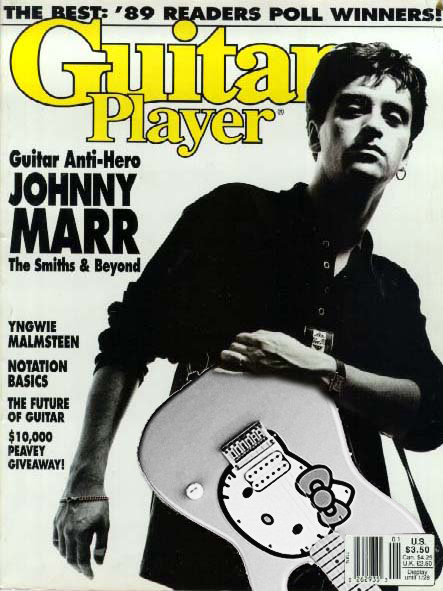
Weird — back when I wrote this GP cover story, I never even noticed the Hello Kitty guitar!

Maybe it’s because of the crescendo of chatter about a Smiths reunion, but I’ve had Johnny Marr on the brain lately. (Full disclosure: I am a total, drooling fan.) I keep coming back to how deceptively simple his parts are, with an emphasis on the “deception” part. There’s always much more happening than initially meets the ear.

Perfect example: “This Charming Man,” the band’s first single. It’s always been my favorite Smiths guitar performance — even more than the apocalyptic tremolo and harmonizer work of “How Soon Is Now?” Maybe it’s because I’m still astounded by the originality and sheer chutzpah of the young guitarist, who was all of 19 when the track was released.

“This Charming Man” is a perfect little pop guitar part, with an African highlife-inflected head and lots of pretty open-string chiming throughout. But the deeper you dig, the more you uncover. And you won’t believe what I uncovered during my latest Smiths geek-out:

Categories
DIY Music Tonefiend DIY Club

The Workbench & Rehearsal Room iPad:
My Top 10 Apps

iPad: Your pathway to a more productive and better organized workspace!
It’s not as if Apple needs more free publicity, but IMHO, the iPad is the greatest workbench and rehearsal room innovation since the Mesopotamians perfected beer.*

Seriously — I find myself reaching for the thing as often as I reach for the soldering iron. In fact, I sometimes confuse the two, which probably explains the sketchy wiring in my pedals and the mysterious burns on my fingertips.

Marketing hype notwithstanding, there’s isn’t always “an app for that.” (In particular, I eagerly await the “Why Doesn’t This $^%&Y# Thing Work?” app.)

But I would like to share a few tools that proven consistenly useful in the two years since the iPad’s debut. Prices range from free to a whopping $5.99 for Electronic Toolbox Pro.

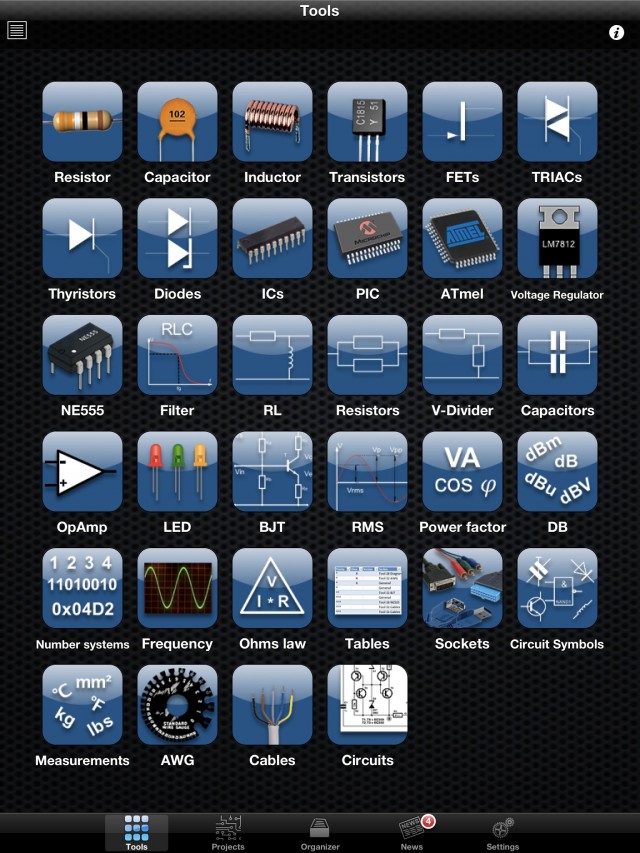
01. Electronic Toolbox

Electronic Toolbox Pro

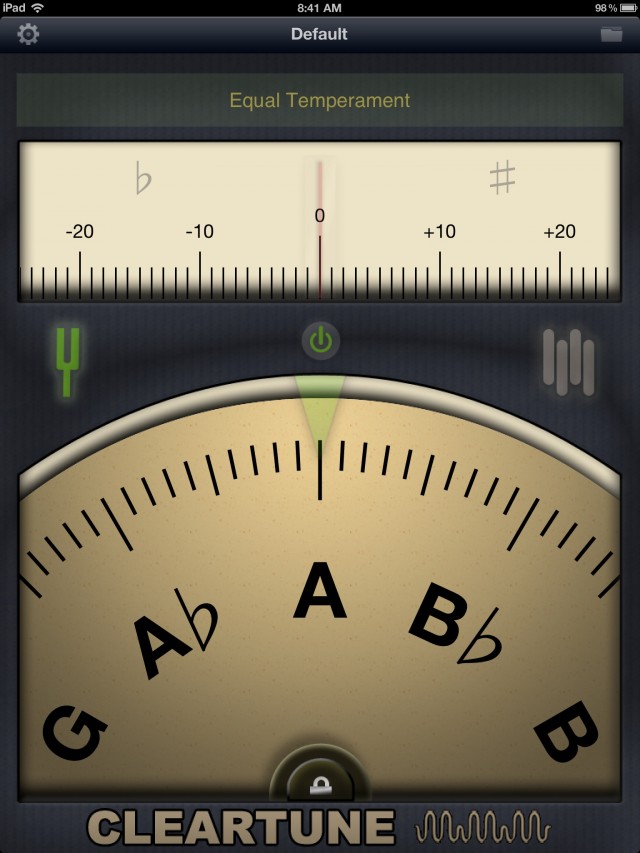
02. Cleartune

Cleartune Chromatic Tuner

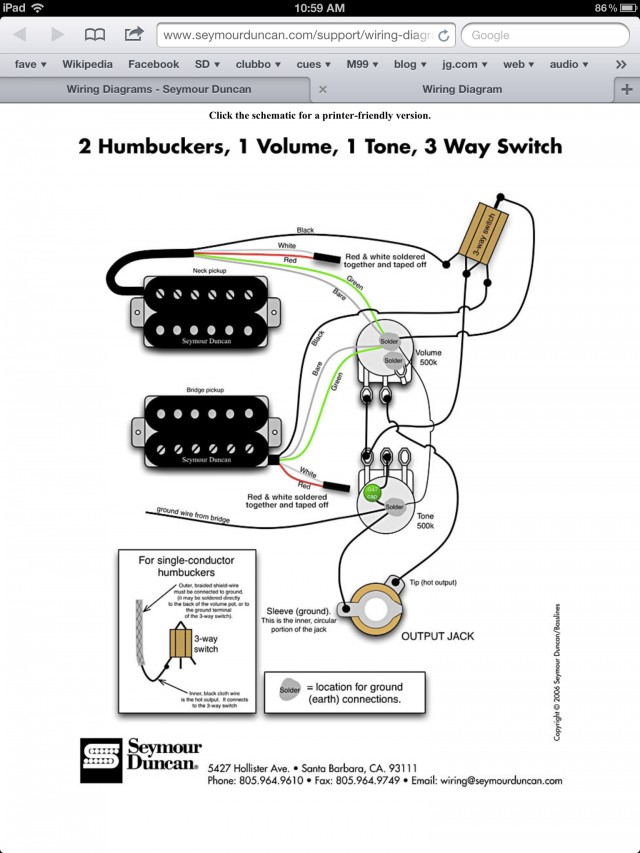
03. Safari

Safari Web Browser

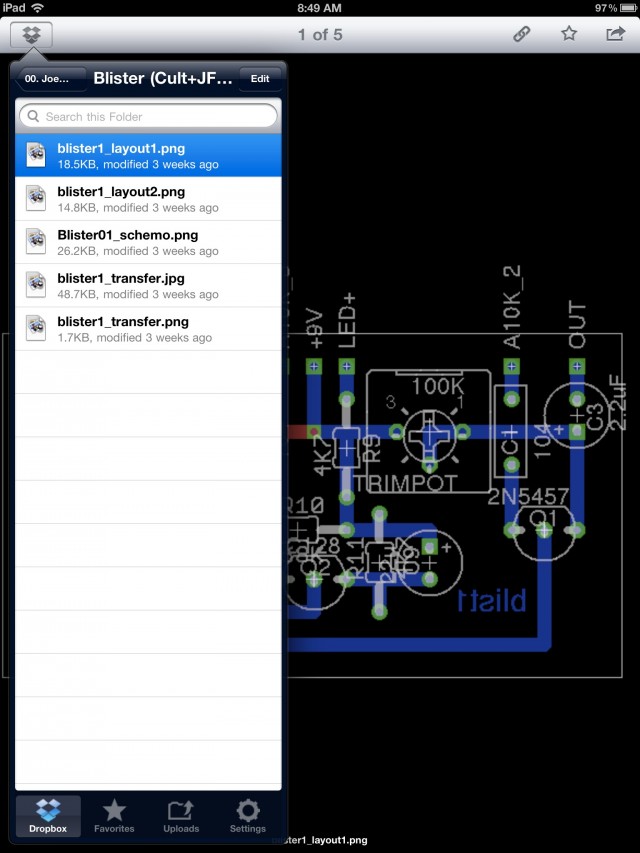
04. Dropbox

Dropbox

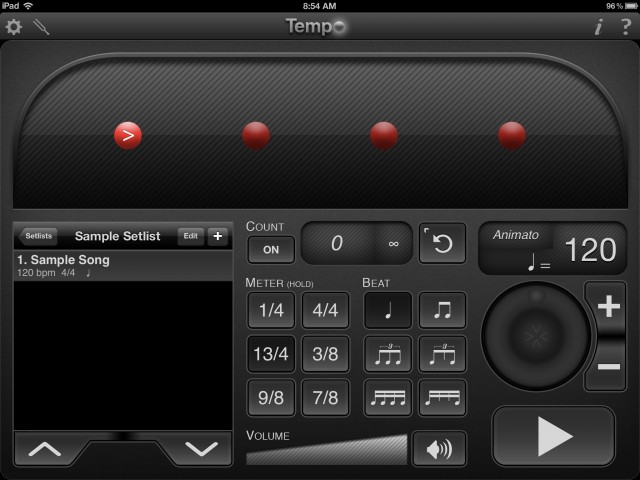
05. Metronome™

Metronome™

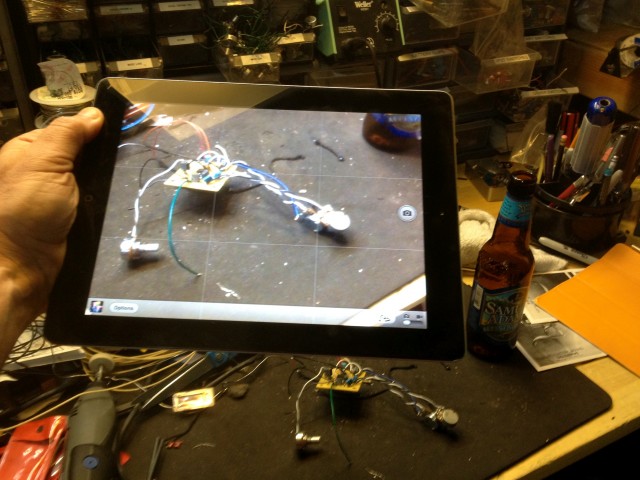
06. Camera

Camera

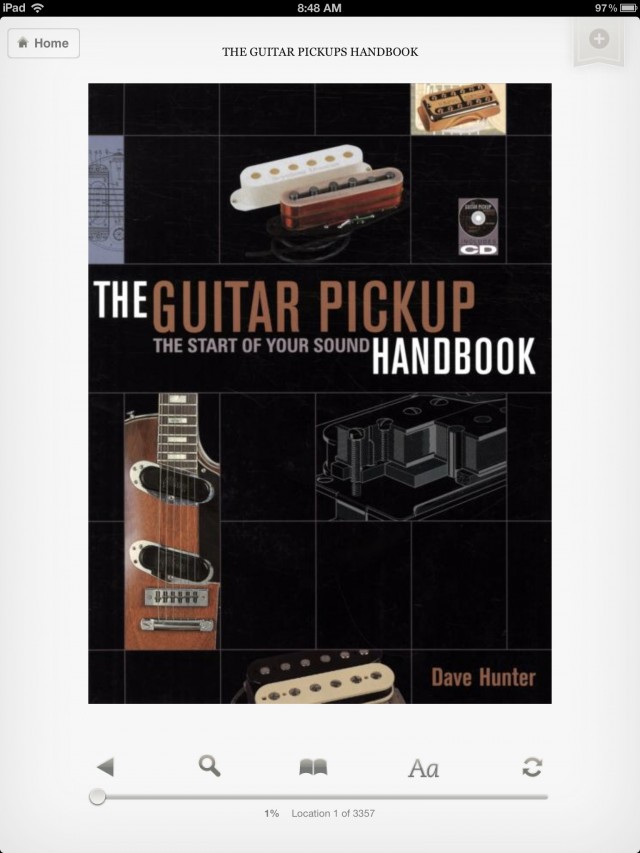
06. Kindle

Kindle and/or iBooks

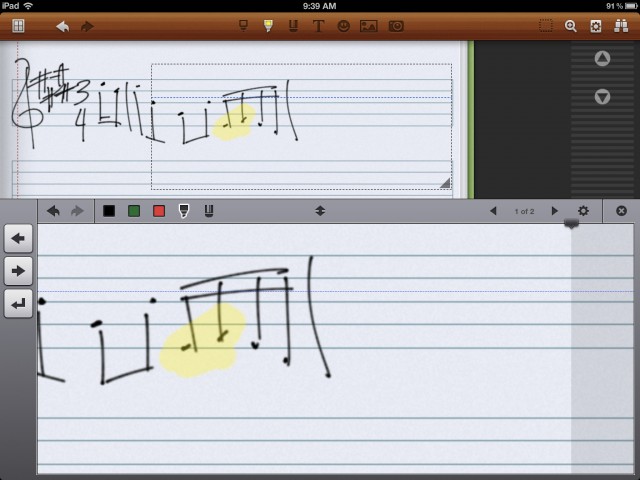
Noteshelf
08. StreamToMe

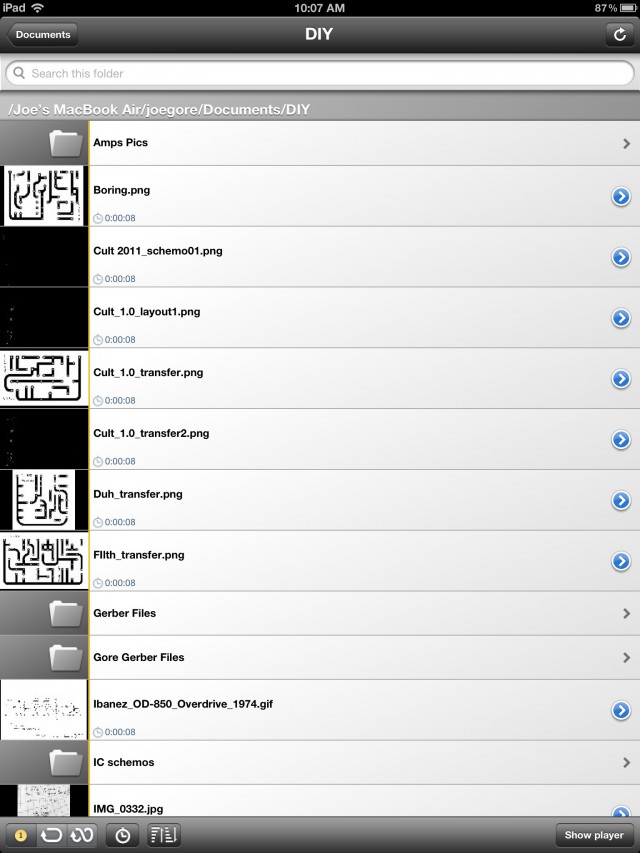
StreamToMe

09. Voice Memos

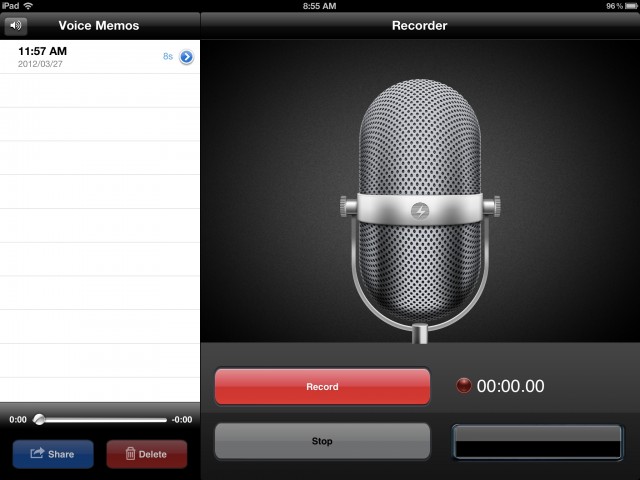
Voice Memos

10. iCircuit

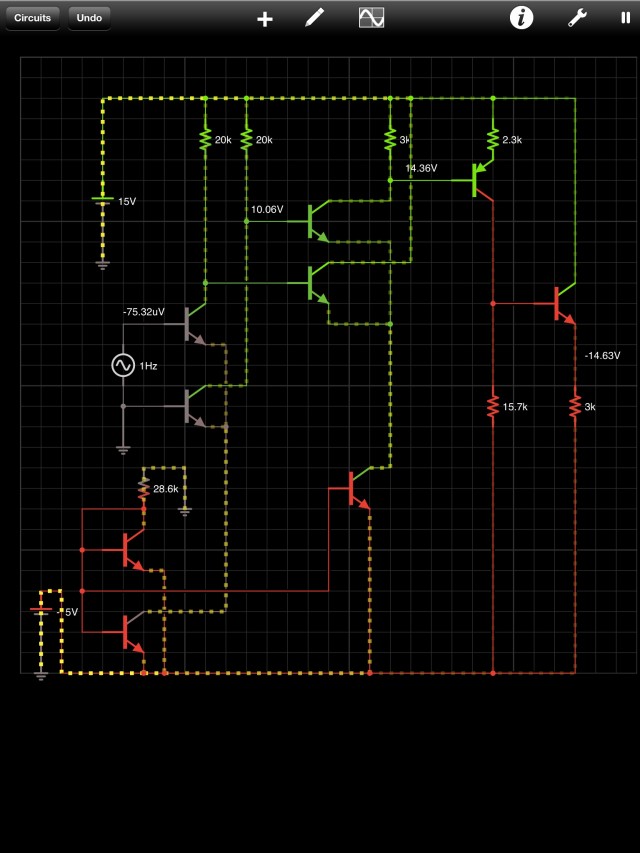
iCircuit

11. Plants vs. Zombies

Plants vs. Zombies

01. Electronic Toolbox thumbnail
02. Cleartune thumbnail
03. Safari thumbnail
04. Dropbox thumbnail
05. Metronome™ thumbnail
06. Camera thumbnail
06. Kindle thumbnail
07. Noteshelf thumbnail
08. StreamToMe thumbnail
09. Voice Memos thumbnail
10. iCircuit thumbnail
11. Plants vs. Zombies thumbnail

Is anyone else foolhardy enough to expose their expensive mobile devices to hazardous workbench and rehearsal room environments? What are your observations? Recommendations? Bitter regrets? Do tell.

* Just kidding. Kids, don’t drink and solder.

Categories
Music Uncategorized

The Broken Banjo

A message from Earl?

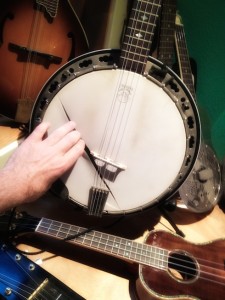
Weird but true: After my experience last week with simulated gut strings, I ordered a banjo set, figuring I’d restring my beautiful Deering with “nylgut” for an old-timey pre-bluegrass sound. But as soon as I tuned up, BANG! The head ripped in two.

I went upstairs and told my wife, “That’s weird — I’ve had that head on there for more than 20 years,” and she said, “That’s really weird — Earl Scruggs just died. Your banjo must be in mourning.”

Maybe. Or maybe Earl was just saying, “Don’t turn your back on bluegrass too fast, now, son.”

I’m not much of a player, though I’ve used the instrument a lot on Tom Waits records. I bring the Deering to sessions, but he always says, “Why don’t you play one of mine?” He has a couple of beat-to-hell early-20th-century open-backs with crusty old strings — a sound he describes as “death banjo.” Which is especially morbid given yesterday’s sad news.

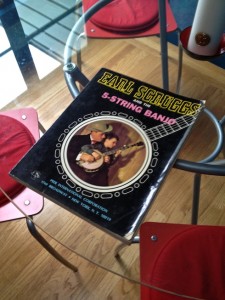
Anyway, I learned as a kid from Scruggs’ 1968 instruction book. I still keep it on my shelf.