
Categories
Acoustic Amps Bass Digital DIY Effects Gigs guitar Music Pickups Recording Technique The Secret Room Tonefiend DIY Club

Contest: Build the Tonefiend Forum!

tonefiend forum
A sad, desolate place — but not for long!

One cool thing about going indie with tonefiend  is that fact that I can finally host my own geek forum! It’s already up and running — but it’s a sad, vacant space that desperately needs to be populated by cool people and cool ideas.

How to get there? Sleazy bribes! Cool prizes!

Here’s the deal: I’ve pre-populated the forum with a few topics and threads. Just come on over, register, and chime in on any thread that interests you — or better yet, start one of your own. And on September 1st, 2012, the three forum members who have consistently contributed the liveliest content as judged by some dork me will get a bitchin’ stompbox laboriously hand-built by the same dork me. I can’t disclose exactly what the pedals will do, but I can promise they will be cool, useful, and genuinely unique — original designs, not some lame-ass Screamer clones. And if I manage not to vaporize my hand with the TechShop laser-cutter I’ve been learning to use, they’ll even have wicked laser-etched enclosures.

Naturally, I hope the tonefiend forum will also be cool and unique, and that you’ll enjoy geeking out there even when there’s no contest. But hey, I’m not above greasing the skids with free stompboxes as needed.

Please read the forum rules, though.

FORUM RULES: Be cool.

Categories
Acoustic Amps Bass Digital DIY Effects Gigs guitar Music Pickups Recording Technique The Secret Room Tonefiend DIY Club

The Secret Room: Not So Secret Anymore

Now with more secrets — and less secrecy.

Last winter I tried an odd experiment: a website where players were encouraged to post their best tone secrets — the kinds of tricks and techniques that are almost too good to share. But in order to get, you had to give: The site was password-protected, and the password was only sent to those who contributed secrets.

Musicians responded, no doubt encouraged by the cool prizes awarded to the top secrets, as judged by user ratings. I also asked some cool musician friends to contribute the first round of secrets, yielding tips from the likes of composer/virtuoso Lyle Workman, metallurgist-turned jazzbo Alex Skolnick, original Chili Peppers guitarist Jack Sherman, boy genius Blake Mills, and other great players.

Once the contest ended, traffic slowed, but the site has slowly but surely grown. And now, as an experiment, I’ve removed the password protection. Now anyone can visit the Secret Room, AKA tonesecret.com, even if they haven’t coughed up a secret. So please do!

It’s a fascinating document. Naturally, the quality of secrets varies, as does the level of expertise needed to make the most of them. I exerted a light editorial hand — only silly or flat-out-wrong tips were vetoed, and I didn’t do much in the way of spelling and grammar repair. Sometimes the contents are a little repetitious — but trust me, there is much wisdom and originality throughout.

I hope you find something helpful — and I hope you’re moved to contribute some secrets yourself using the site’s submission form. And who knows? There may be more tawdry bribes fabulous prizes lurking around the corner…

Categories
DIY Music Tonefiend DIY Club

The Workbench & Rehearsal Room iPad:
My Top 10 Apps

iPad: Your pathway to a more productive and better organized workspace!
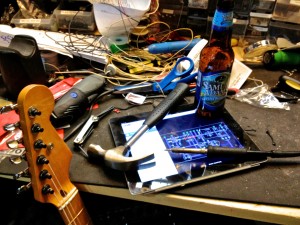
It’s not as if Apple needs more free publicity, but IMHO, the iPad is the greatest workbench and rehearsal room innovation since the Mesopotamians perfected beer.*

Seriously — I find myself reaching for the thing as often as I reach for the soldering iron. In fact, I sometimes confuse the two, which probably explains the sketchy wiring in my pedals and the mysterious burns on my fingertips.

Marketing hype notwithstanding, there’s isn’t always “an app for that.” (In particular, I eagerly await the “Why Doesn’t This $^%&Y# Thing Work?” app.)

But I would like to share a few tools that proven consistenly useful in the two years since the iPad’s debut. Prices range from free to a whopping $5.99 for Electronic Toolbox Pro.

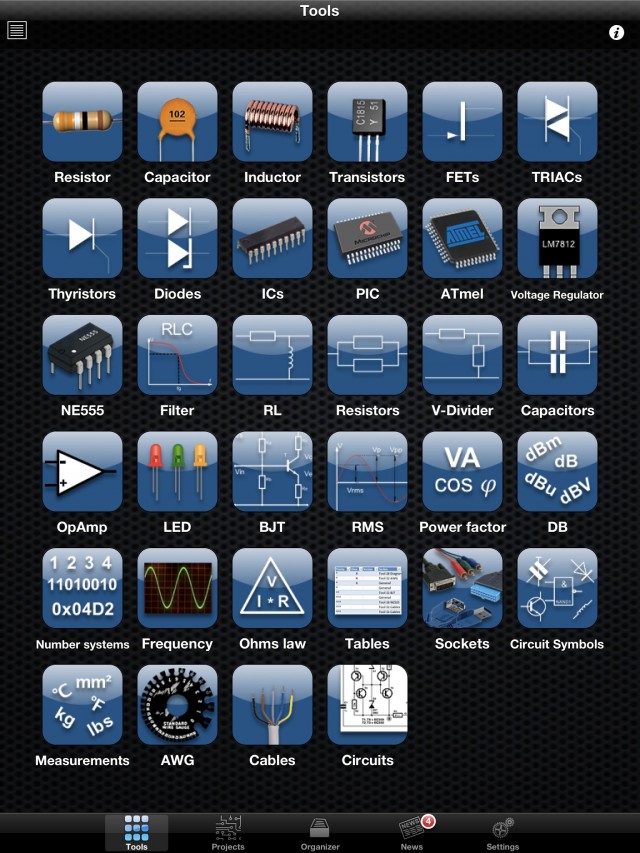
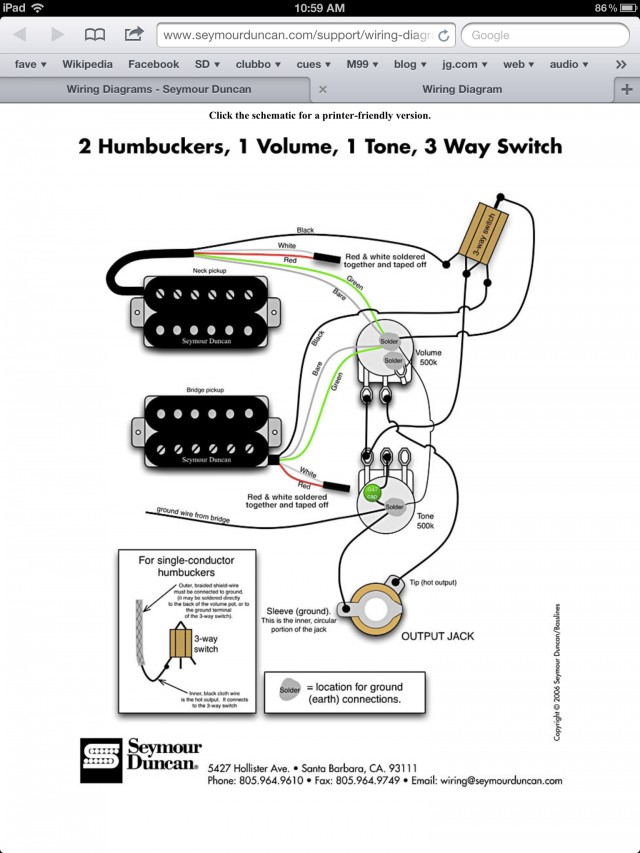
01. Electronic Toolbox

Electronic Toolbox Pro

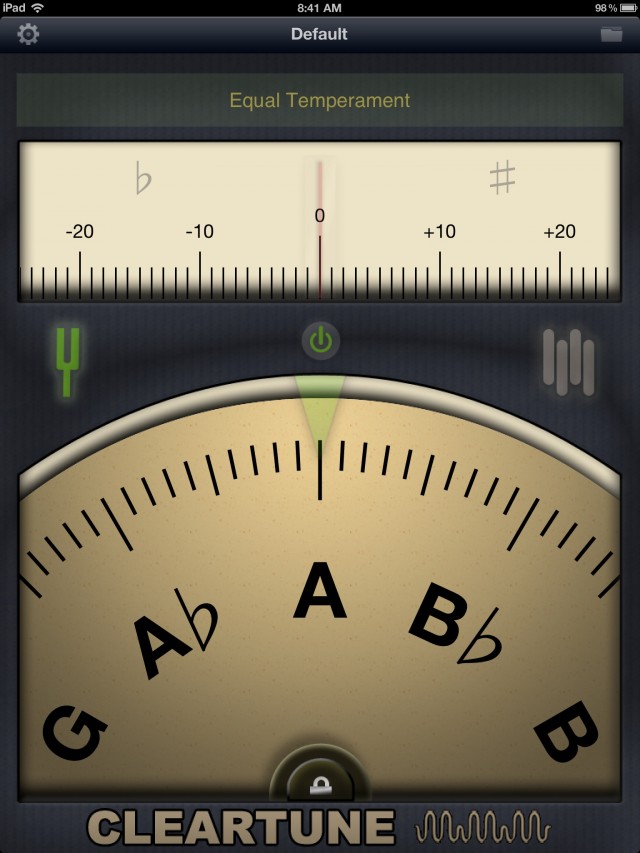
02. Cleartune

Cleartune Chromatic Tuner

03. Safari

Safari Web Browser

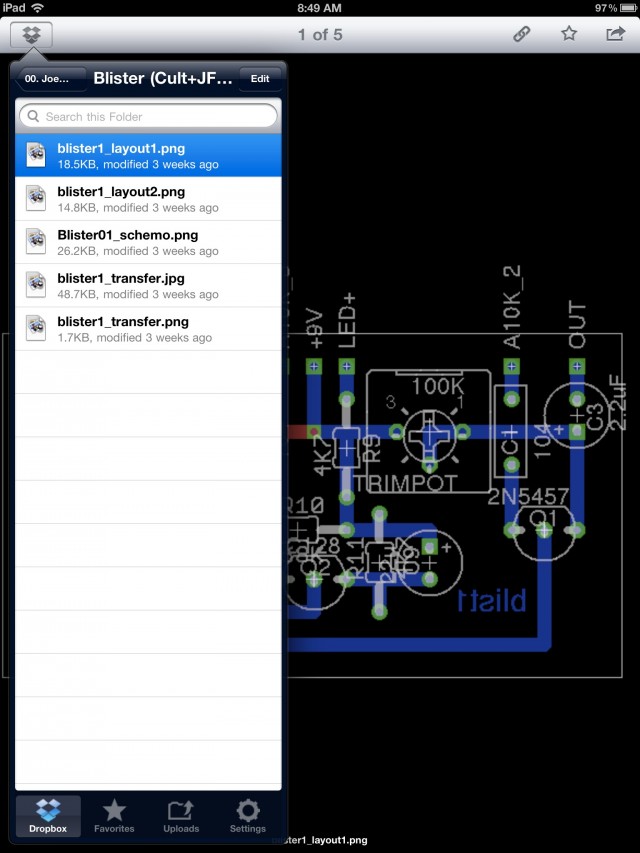
04. Dropbox

Dropbox

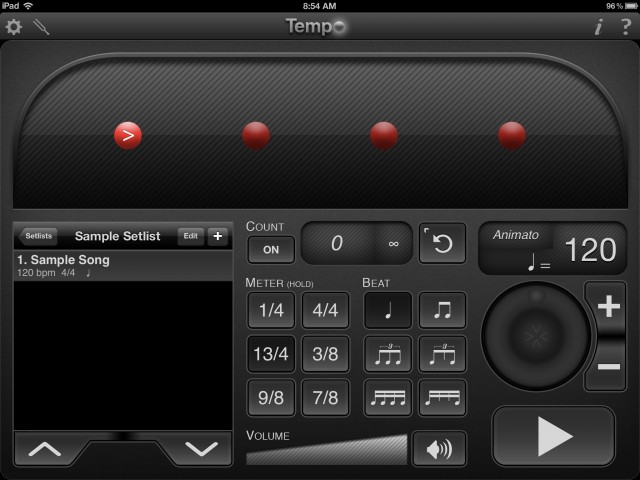
05. Metronome™

Metronome™

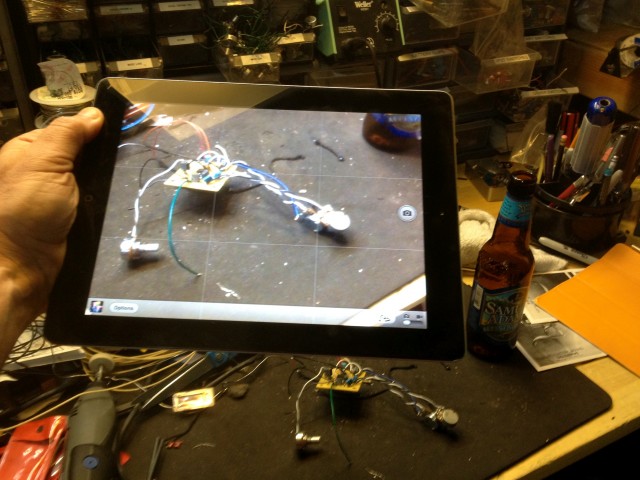
06. Camera

Camera

06. Kindle

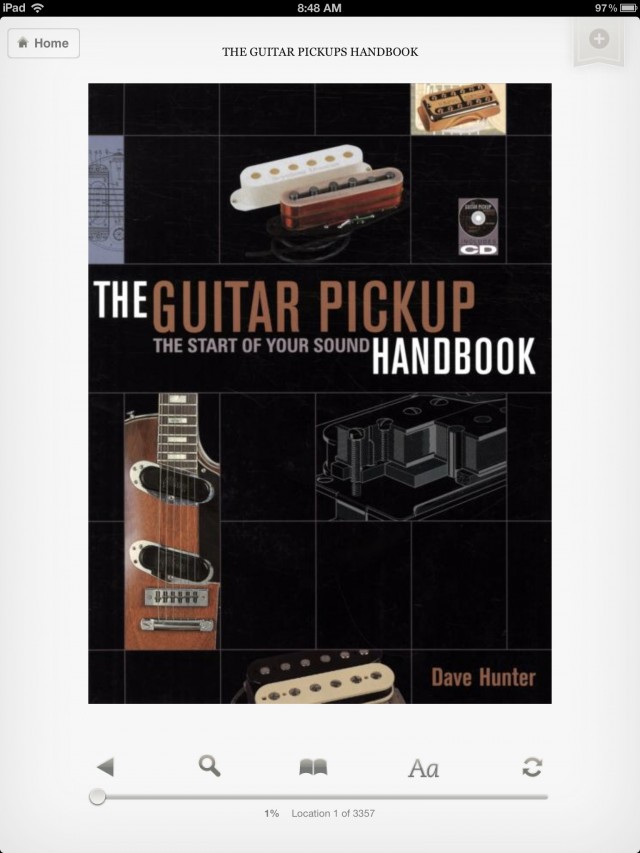
Kindle and/or iBooks

Noteshelf
08. StreamToMe

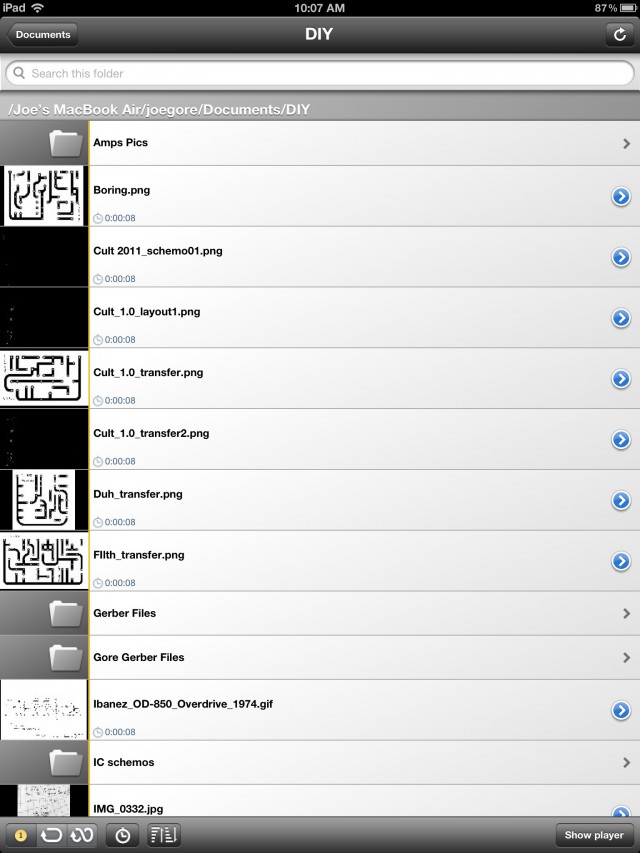
StreamToMe

09. Voice Memos

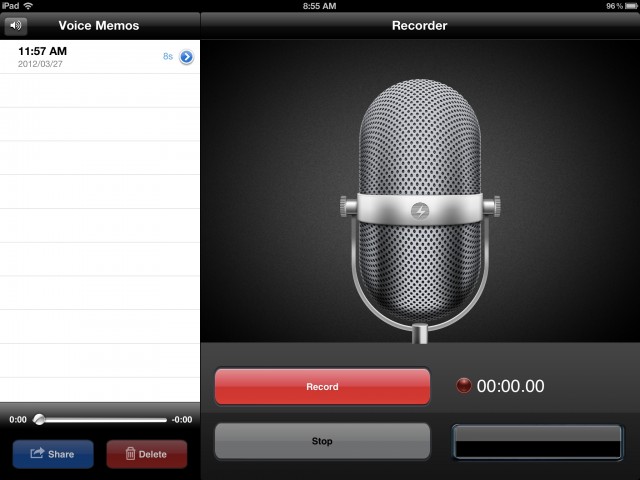
Voice Memos

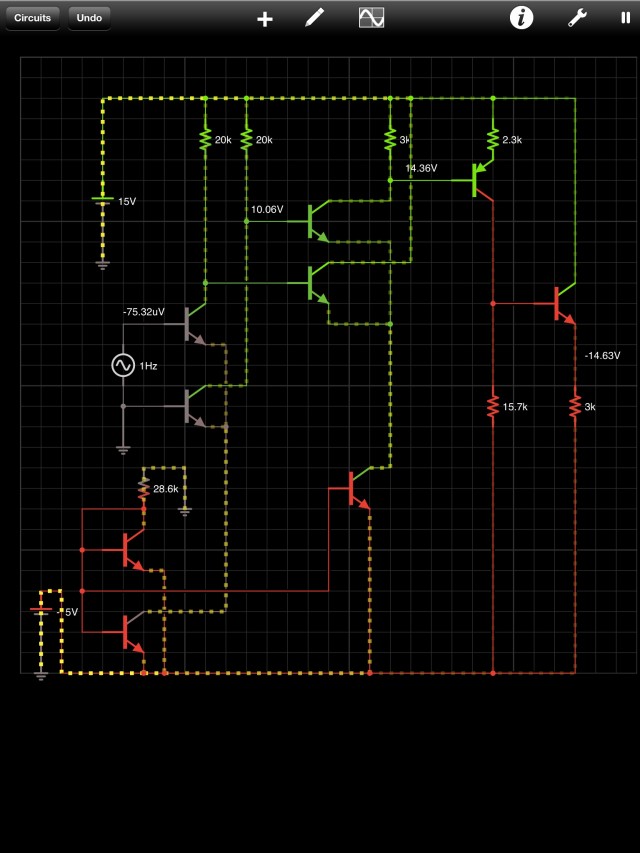
10. iCircuit

iCircuit

11. Plants vs. Zombies

Plants vs. Zombies

01. Electronic Toolbox thumbnail
02. Cleartune thumbnail
03. Safari thumbnail
04. Dropbox thumbnail
05. Metronome™ thumbnail
06. Camera thumbnail
06. Kindle thumbnail
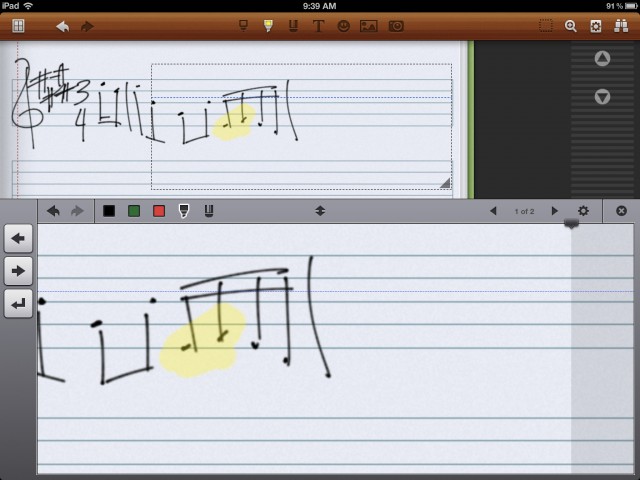
07. Noteshelf thumbnail
08. StreamToMe thumbnail
09. Voice Memos thumbnail
10. iCircuit thumbnail
11. Plants vs. Zombies thumbnail

Is anyone else foolhardy enough to expose their expensive mobile devices to hazardous workbench and rehearsal room environments? What are your observations? Recommendations? Bitter regrets? Do tell.

* Just kidding. Kids, don’t drink and solder.

Categories
DIY Effects guitar Tonefiend DIY Club

Build the World’s Wickedest Overdrive
(for less than $30)

"Who are you callin' ugly?"

UPDATE: My thanks to reader William Badjek, who found in error on page 31 of the v01 project file, which would have prevented the tone control from working properly. (The schematics, however, were correct in v01.) If you’ve encountered that issue, please revisit that page of the v02 project file, now available at the link below. My apologies to anyone who got stuck on this!

Hey, DIY victims fans!

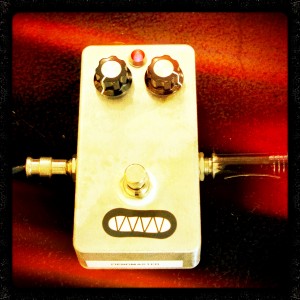
Here’s the project file for Tonefiend DIY Club Project #4: the Fiendmaster, a fab-sounding update of the Dallas Rangemaster, the circuit that put the punch in so much classic British rock. If your record collection includes a lot of albums from around 1970 featuring skinny guys with long hair and flared trousers, you need one of these!

It sounds incredible. It’s a relatively easy build. And unlike strict clones, this version runs on a regular modern power supply like the rest of your pedals. It also includes a knob that fades between the original’s bright, snappy Brit blues sound, and the humungous sludgetone that spawned Sabbath. You can round up all the parts from the usual suppliers for less the 30 bucks, or just order a pre-assembled kit from Mammoth Electronics.

View a brief demo video of the final product here. Learn more about the circuit’s significance here. And fill your cranium with everything you need to know about germanium here. Happy soldering!

Categories
DIY Effects Tonefiend DIY Club

Meet the Fiendmaster!
(A new Tonefiend DIY Club project)

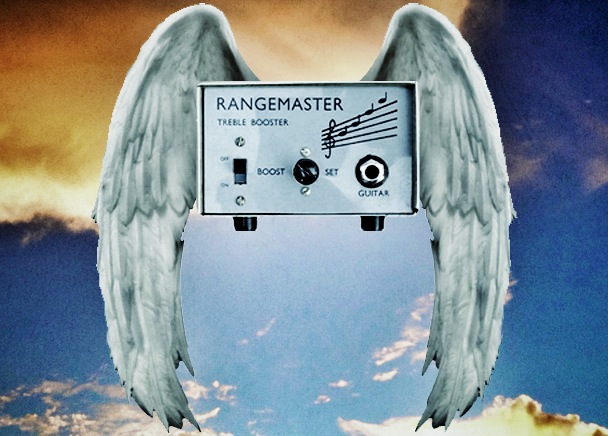
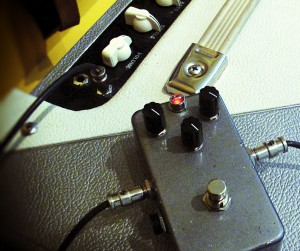
Technically speaking, original Dallas Rangemasters didn't have angel wings, though they probably should have. However, the musically illiterate treble staff IS historically accurate.

The next Tonefiend DIY Club project is a cool update of the Dallas Rangemaster treble booster — for my money, the wickedest overdrive ever. I’ll post all the project files within the next week, but I’m introducing the project here so you can listen to the pedal, decide if you’re interested, and if so, start rounding up the parts.

Like our first project, this is a single-transistor distortion device. But this one gets it glorious Brit-rock tones from a funky old germanium transistor.

At the end of this post is a parts list, plus names of dealers who sell reliable germanium transistors. And once again, Mammoth Electronics is offering a pre-assembled kit with everything needed to build a ready-for-gigging Fiendmaster. [FYI, neither I nor Seymour Duncan have any financial stake in this item. I’ve simply asked Mammoth to put together a kit for your DIY shopping convenience.] You can order the kit here. If you don’t see it on the page yet, check back — it’ll be up soon.

Check out this brief video to hear the wicked beast in action:

Categories
DIY Effects Tonefiend DIY Club

Three Useful, Easy & Cheap DIY Tools

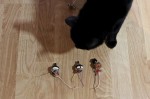
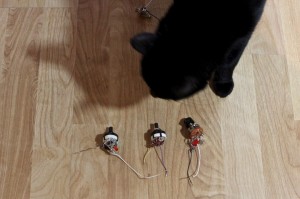
My cat hates when I play distortion pedals. I don't think he especially appreciates my non-distorted playing either.

Reader Derick just posted a comment on the DIY Project #1 page about his experiences with using different diodes for the Bad-Ass Distortion Pedal project. He’s inspired me to share a few cool tools you can use to make your DIY work easier and more creative. If you’ve worked through some of projects, or think you might, you should think about adding some of these to your workbench.

Categories
DIY Effects Tonefiend DIY Club

DIY Club Project #3: Booster + Buffer

Here’s a demo for our third DIY project: a combination clean boost and buffer.

The project files are here. For other tips, tricks, and resources, as well as all the info on our first two projects, visit the Tonefiend DIY Club page.

This is a super-useful guitar tool. You’ll learn about how to add more options to your effects via switching. You’ll also discover a) what a buffer is, and b) whether you need to care. (Answer: maybe.)

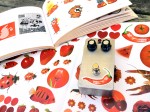
And this concludes the initial set of DIY Club Projects. Now that we’ve learned some workbench basics, the next few projects will involve poking around inside your guitars, where it’s possible to do some real damage. Until then, keep your soldering irons tinned and your smoke alarms armed!

Categories
DIY Effects Tonefiend DIY Club

Bulk Fuzz DIY Project Files

As promised, here are the project files for DIY Club Project #2: the bitchin’ Bulk Fuzz.

This nasty little fuzz bomb is fun to build and fun to play. Audition it here.

The project uses the same techniques introduced in Project #1, so if you survived that one, this should be smooth sailing. It’s also a great jumping-off point for custom designs, which you’ll get to explore in the course of the project. Bon Appétit!

Categories
DIY Effects Tonefiend DIY Club

Simple But Deadly Fuzz
(Tonefiend DIY Club Project #2)

I swear, it’s practically worth learning DIY electronics just to build this one insanely simple, insanely great fuzz circuit. What I’m going to call the Bulk Fuzz is a variant on a popular DIY project known as the Bazz Fuss. A really smart guy from Finland named Christian H. figured out how to generate the scuzziest of fuzz tones from a simple transistor/diode pair. It’s a great circuit for modding and custom-tuning, and you’ll have a chance to mix your perfect fuzz cocktail over the course of this fun project.

Incredibly, I don’t know of any commercial manufactures who have co-opted this design. Which means, like they used to say on TV, “Not available in stores!”

Here’s a demo clip. Forewarned is forearmed.

If this sounds like your cup of dirt, please read this great article about the circuit and its variants. (It’s from a cool DIY site, home-wrecker.com/.) Using the techniques introduced in Project #1, you should be able to breadboard any of these and hear how they sound. In the meantime, I’ll be posting a step-by-step project PDF in the coming days. Check back here, or follow tonefiend on Twitter. UPDATE, 11.04.11:The files are here.

Categories
DIY Effects Tonefiend DIY Club

Tonefiend DIY Club:
The Bad-Ass Distortion Has Arrived!

Warning: It’s fin-ished!

Here is the fourth and final part of the Tonefiend DIY Club’s first stompbox project: The Bad-Ass Distortion is a variation on the popular Electra circuit, beloved by many boutique builders. Once you box up the mess project, you too will be a boutique geek.

Here’s a sketchy little demo.