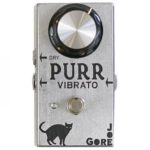
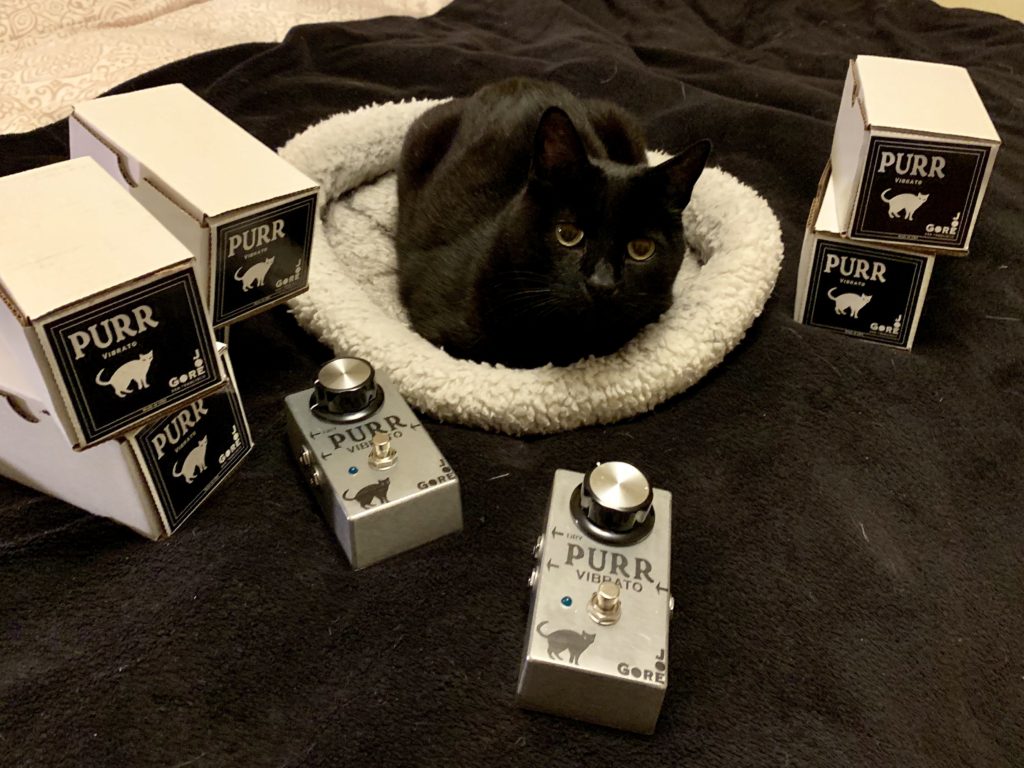
About frickin’ time! I announced this new Vibrato pedal at NAMM 2018. Now it’s time for NAMM 2019, and Purr is finally available and in stock at Vintage King.
Why so long? As soon as we finalized the prototype and designed the new circuit board, a crucial part suddenly became unavailable. ARGH!
It took forever to track down an acceptable substitute. But we finally did, and I’m thrilled with the results. I hope other guitarists dig it too.
Hey, if you’re going to NAMM 2019 in Anaheim next week, please stop by and say hi. Especially since since I’ll be sharing a booth with my my friend James Trussart, creator of some of the loveliest guitars ever conceived. We’ll be in Hall D at Booth 3942.
It’s too early to say whether guitarist will dig the Purr pedal. But at least someone I know is excited about the new release!
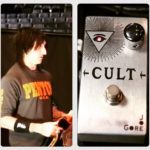
I’ve just tested the first final production model of my long-promised Cult Germanium Channel. As usual, it sounds even better than my funky hand-built prototypes. These will be available in just a couple of weeks from my distribution partners, Vintage King.
There core circuit is the same as in my Cult overdrive. I’ve added a great-sounding active EQ, tuned to just the right frequencies, plus a new input stage with variable capacitance (translation: a sort of “crisp vs. fat” control). There’s much more info on the Joe Gore Pedals product page.
My apologies that this release has taken so long! I hope some players find it worth the wait.
Man, I’ve been wanting to do this experiment for ages — and largely because it’s been a black hole off ignorance for me. As mentioned in the video, I used to think they were the same pickup. But as you can hear, they’re quite distinct, and the differences are far from subtle.
Polly’s Firebird is a 1960s original.
Until now I’ve never owned a guitar with either pickup type. My chief experience with mini-humbuckers was when I demoed a set in this sane Strat for my Strat replacement pickups comparison. I liked them there as well, though I was using a set of Seymour Duncans, while these are Lollars. (I’d be cautious about making tone comparisons, since the two videos were recorded using very different tone chains.)
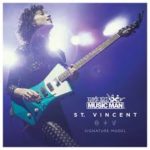
Annie Clark designed her own signature guitar.
I once played Polly Harvey’s original reverse Firebird on a gig, and I wasn’t that blown away at the time. (Though there were many other variables at play.) But I adored the way the Firebird pickups in Annie Clark’s Musicman St. Vincent model sounded, and I gave the instrument a rave review for Premier Guitar. I was struck then, as now, by their extraordinary dynamic response. Small variations in touch yield big tonal contrasts. My hope was that they’d sound like Fender pickups on steroids in a Strat, and to my ear, they do. (By “steroids,” I don’t mean high output — I generally recoil from extra-hot Strat pickups. Tones are simply fatter without neutering the high end as super-hot single coils tend to do.
I liked both pickups sets a great deal, but the Firebirds are a better match for my fingerstyle playing. What do you think?
I’ve been following the story of Fishman Fluence pickups and their radical pickup design for a few years. From the beginning, I’ve thought Fluence pickups sounded great in the hands of some other guitarist, but this is the first chance I’ve had to experiment with my own set.
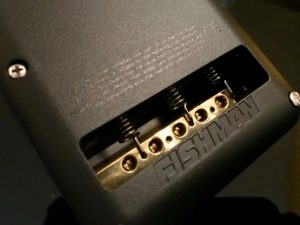
Most of the tech details are in the video. But in brief: These are active pickups with magnets, but no wire coils. Instead, the “coils” are printed on thin pieces of circuit board glued together like plywood. This design removes all noise and hum — chances are these are the quietest single-coil-sounding you’ll find. (Fishman also makes humbuckers and Tele pickups.) They can run on 9-volt batteries or (this is the other interesting part) a separately sold battery pack that replaces the trem cavity back plate. (There are other battery configurations for other guitars.) Another marquee feature: Each Fluence set includes a push/pull pot to switch between vintage voicing and a hotter “modern” sound.
This technology originated at an aerospace company. Someone there realized that their printed coils might work on musical instruments, and they contacted a leading pickup manufacture, who passed on the idea. Next it went to Larry Fishman, who was all over it from the get-go. He refined the idea and came up with lots of clever engineering to make it work in guitars. [DISCLAIMER: I have been paid in the past as a freelance contributor to Fishman products, but no one paid me to post this.]
To my ear these sound perfectly authentic, though the fact that they’re active is problematic for me personally. (That’s because I use so many retro stompboxes that don’t play well with the active pickups, which are buffered. The same goes for most of the pedals I sell.)
Killer, indeed!
While installing this in my much-abused MIM Strat, I also added a heavyweight bridge, trem block, and claw from Killer Guitar Components. I’m not kidding when I say “heavyweight” — it’s a formidable piece of metal, beautifully tooled. It feels like a major improvement on the standard design, and I think it sounds great as well (though it’s hard to be definitive about that without side-by-side comparisons). My favorite feature is the way the string inserts are chamfered — strings pop in correctly every time, which. as any Strat player can tell you, it not always the case. Killer, indeed!
Fender’s Telecaster Deluxe has had an interesting and checkered history. Once regarded as yet another mediocre product from the company’s era of CBS ownership, these turn-of-the-seventies instruments now fetch huge prices on the collector’s market. I’ve never owned own. But when singer/songwriter Greer Sinclair loaned me one of Fender’s 2010 reissues, it was time for research — and experimentation.
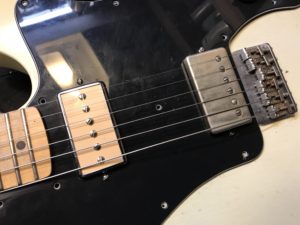
The made-in-Mexico 1972 Deluxe reissue is a cool guitar. It replicates many details of the original: the oversized headstock, the Strat-like belly cut and fixed Strat-style bridge, and the big-ass pickguard. But its pickups are definitely a departure. In lieu of the original’s large-format “Wide Range” pickups, it employs a P-94R (a humbucker-sized P-90 spinoff) at the neck, and a conventional Gibson-style humbucker at the bridge.
The Wide Range pickup was a unique beast. Fender had commissioned Seth Lover, the man who invented the Gibson humbucker, to create a Fender humbucker in hopes of cashing in on the growing popularity of hard rock. With DC resistance in the 10k range, the new Wide Range pickup was a bit hotter than a vintage Gibson humbucker. Wide Range pickups appeared in several of the era’s models, including the Tele Thinline, Tele Custom, and semi-hollowbody Starcaster.
Gibson humbuckers have a bar magnet within, but the pole pieces are not magnetic. But on Wide Range pickups, the pole pieces are magnetic, as on Fender’s single-coil pickups. Situating individual magnets closer to the strings yield a brighter sound with greater note defition and string-to-string separation — characteristics we associate with vintage Fender pickups. So the Wide Range pickup lent a uniquely “Fender” twist to the Gibson design.
Wide Range pickups are slightly larger than conventional humbuckers. Most of Fender’s circa-1970 Tele reissues substitute generic humbuckers of the standard size. Standard humbuckers can sound superb in a Tele, but they’re horses of different colors. Fender has also created some reissues with the larger-sized pickups, but these are also garden-variety humbuckers — the larger format is purely cosmetic. The pole pieces of the factory humbucker on Greer’s guitar don’t align with Fender’s wider string spacing. (But one thing I’ve leaned from my various Fender/Gibson hybrid experiments is that sonically, this can matter very little.)
The P-94R’s cream-colored top looks wicked against the guitar’s finish. It’s a warm, full-sounding pickup from the mellower side of the P-90 spectrum. Actually, it doesn’t sound all the different from a traditional Telecaster neck pickup. (Like that pickup, it works quite well for jazz.) Note, though, that its dimensions differs substantially from those of a Gibson P-90, as you can the in the photo where it sits alongside a historically accurate Lollar P-90. When you change the size of a pickup’s components, you inevitably alter the sound. The tones can be for better or worse — but they will be different. (more…)
NAMM was fun, though I’m paying a price with this dreaded flu I came home with. (“NAMMthrax,” they call it.) A highlight was getting interviewed on camera by my friend and frequent editor, Shawn Hammond.
Admittedly, there are some cringeworthy moments, especially when my entire Porkolator demo crashes and burns thanks to a funky cable. (I’ve played Shawn’s role at other tradeshows, and trust me, those guys sprint from booth to booth at speeds you wouldn’t believe — definitely no time for do-overs!) But you’ll get a decent idea of the other three. Soon I’ll have proper demos of the new releases, and I’ll share them here.
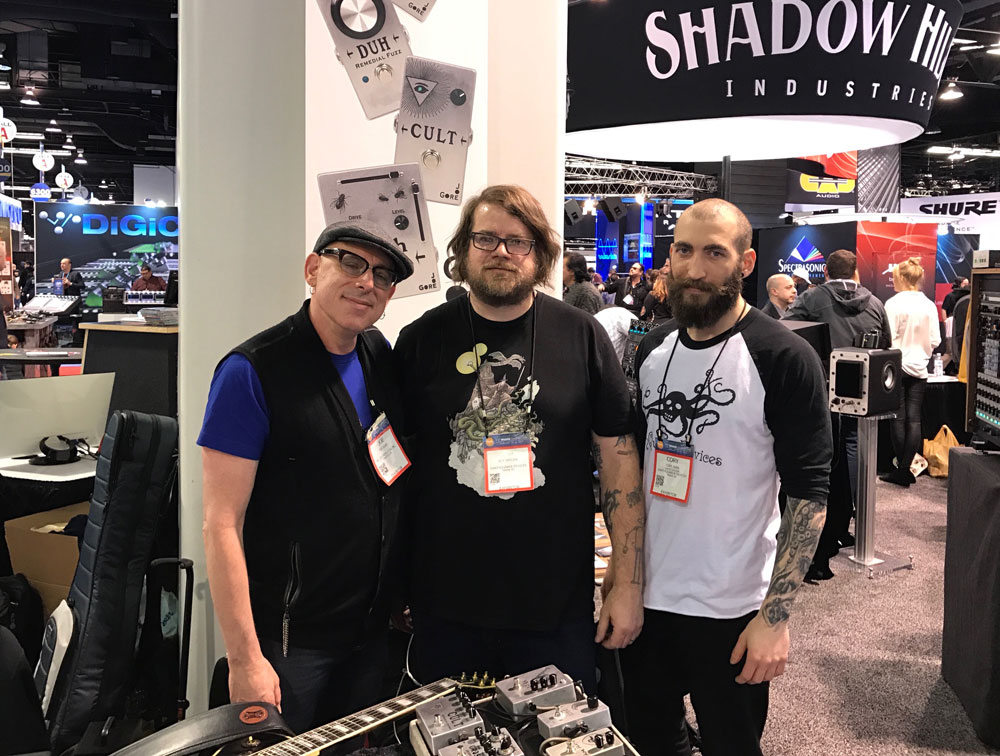
I was showing my stuff in the brand-new pro audio hall, miles away from most of the guitar stuff. That’s because my distributors, Vintage King/M1, work mainly in the high-end studio/audio realm. (I was set up right next to those magnificent Shadow Hills compressors.)
Still, I managed to see a few old friends and make some new ones. One reunion was with producer Matt Wallace (Faith No More, Maroon 5, Replacements, etc.) who I hadn’t seen in over 35 years, when I was his frickin’ “Intro to Music Appreciation” TA at UC Berkeley. Another was a middle-school friend with no connection to the music industry — his daughter just got a gig at Fender.
And when I wasn’t demoing, schmoozing, or contracting diseases, I was watching the nearby Mix With The Masters stage. That company sells online recording/mixing lessons featuring famed producers and engineers, many of whom gave live presentations in which they walked the audience through their productions. I saw my old pals Joe Chicarelli and Jacquire King, and I got to meet several others whose work I’ve long admired: longtime Nick Cave & the Bad Seeds accomplice Mick Launay, mastering legend Howie Weinberg, and Sylvia Massy. In addition to recording everyone from Tool to Johnny Cash to System of a Down to Julio Iglesias, Sylvia authrored the coolest book ever on creative recording.)
Totally off-topic: While driving from SF, I finally finished the audio book version of Alan Moore’s 1,255-page magnum opus, Jerusalem. Fuck me — the most amazing book I’ve encountered since David Mitchell’s Cloud Atlas over a decade ago.
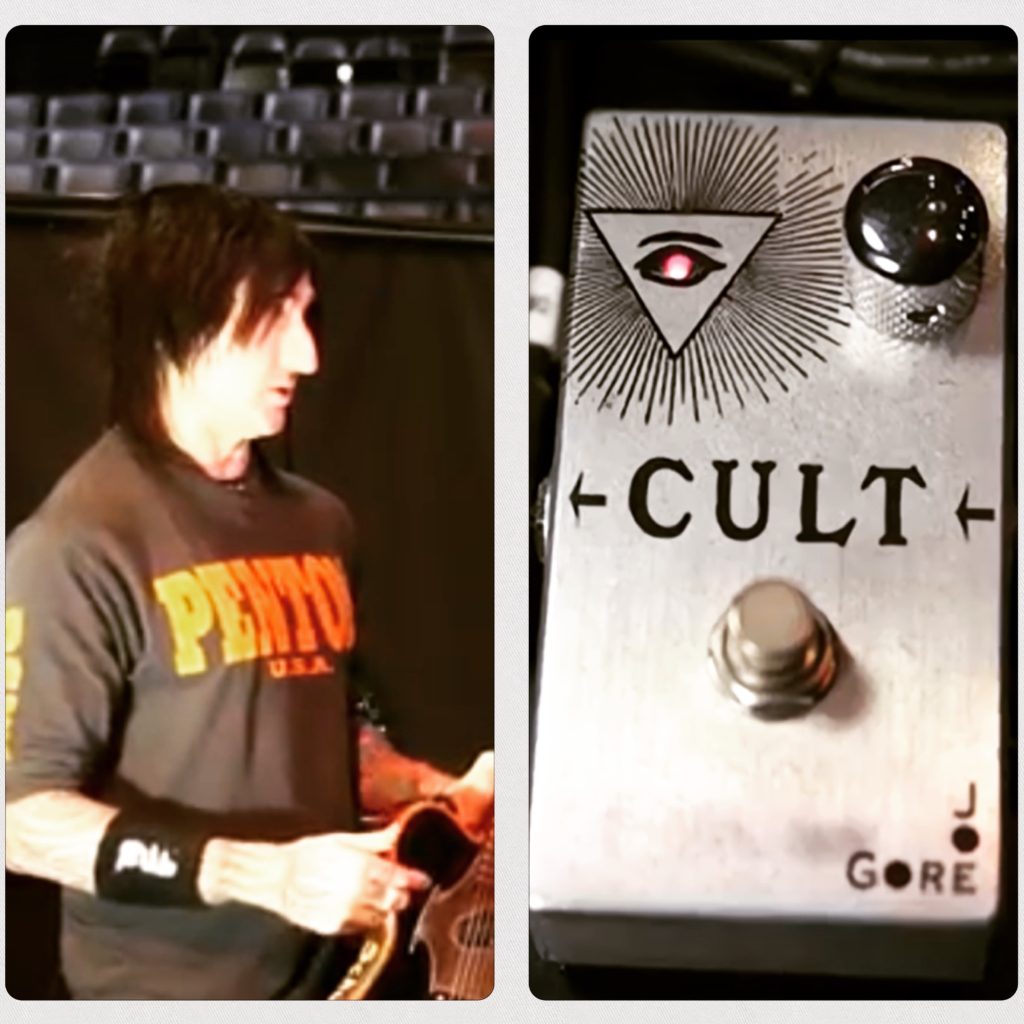
Woohoo! In this just posted Rig Rundown from Premier Guitar, Guns N’ Roses guitarist Richard Fortus shows off his fascinating stage rig, which happens to include my Cult pedal. It appears a 55:05. But gear geeks should watch the entire video, even if they’re not GNR fans. It’s full of interesting stuff—and lots of surprises.
Richard is the coolest. I’ve known him since the ’90s, when his then-band, Love Spit Love, played a show with PJ Harvey back when I was in the group. Besides being a great player, he’s the nicest guy ever, and he still has the enthusiasm of a kid discovering guitar for the first time. Plus, I’m jealous of how my PG pal John Bohlinger makes this sort of on-camera, impromptu interview look easy. (Trust me—it’s not.)
This part is especially flattering, and it’s not in the video: Like many primitive germanium effects, Cult doesn’t like buffers, so it should usually be used at or near the front of an effect chain. But of course, Richard performs using a buffered wireless system. He had someone build an “unbuffering” box that makes the pedal “see” pickup-style capacitance. I didn’t even know you could do that till Richard told me about it (though I’ve heard about other similar strategies since then).
Gotta say: It’s a special sort of thrill when something you concocted on a filthy little workbench winds up in the hands of a fine musician. Thanks, Richard and John!
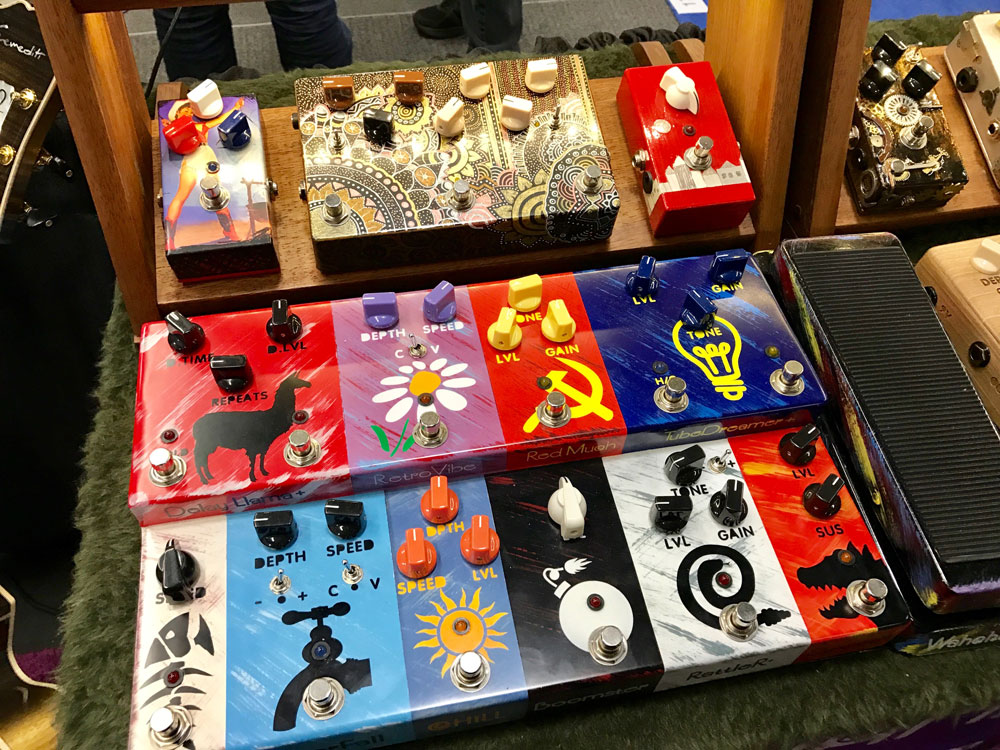
This doesn’t qualify as any kind of NAMM report. I was imprisoned behind the desk at my Gore Pedals booth, relieved only for bathroom breaks and a couple of visits with old friends. Even so, I saw some lovely and inspiring things, especially the visionary instruments at the Boutique Guitar Showcase and the ravishing stompbox visuals from Greece’s JAM Pedals. (JAM pedals sound great too.) Plus a few old friends dropped by. It was so fun, I went minutes at a time without thinking about the inauguration.
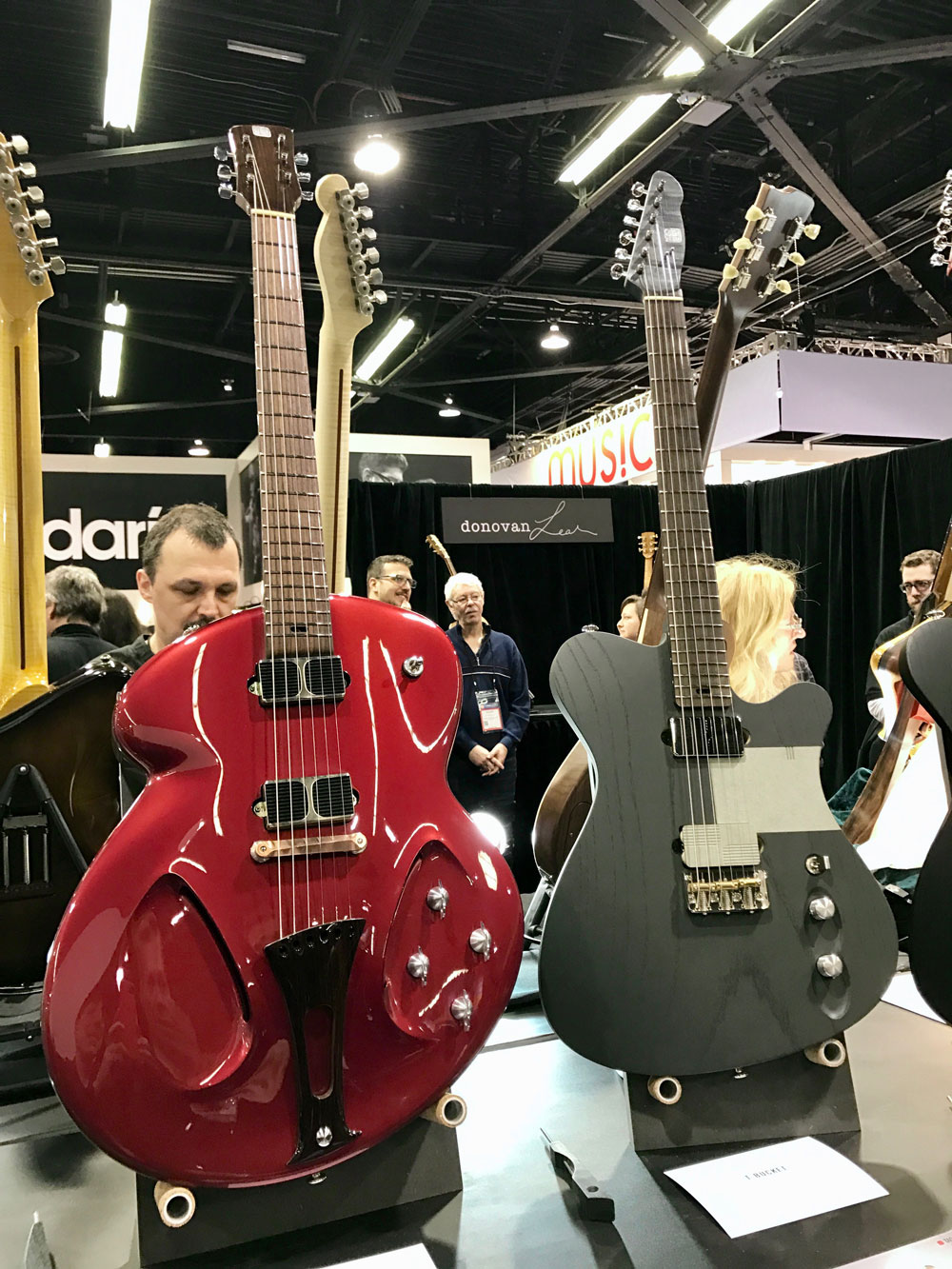
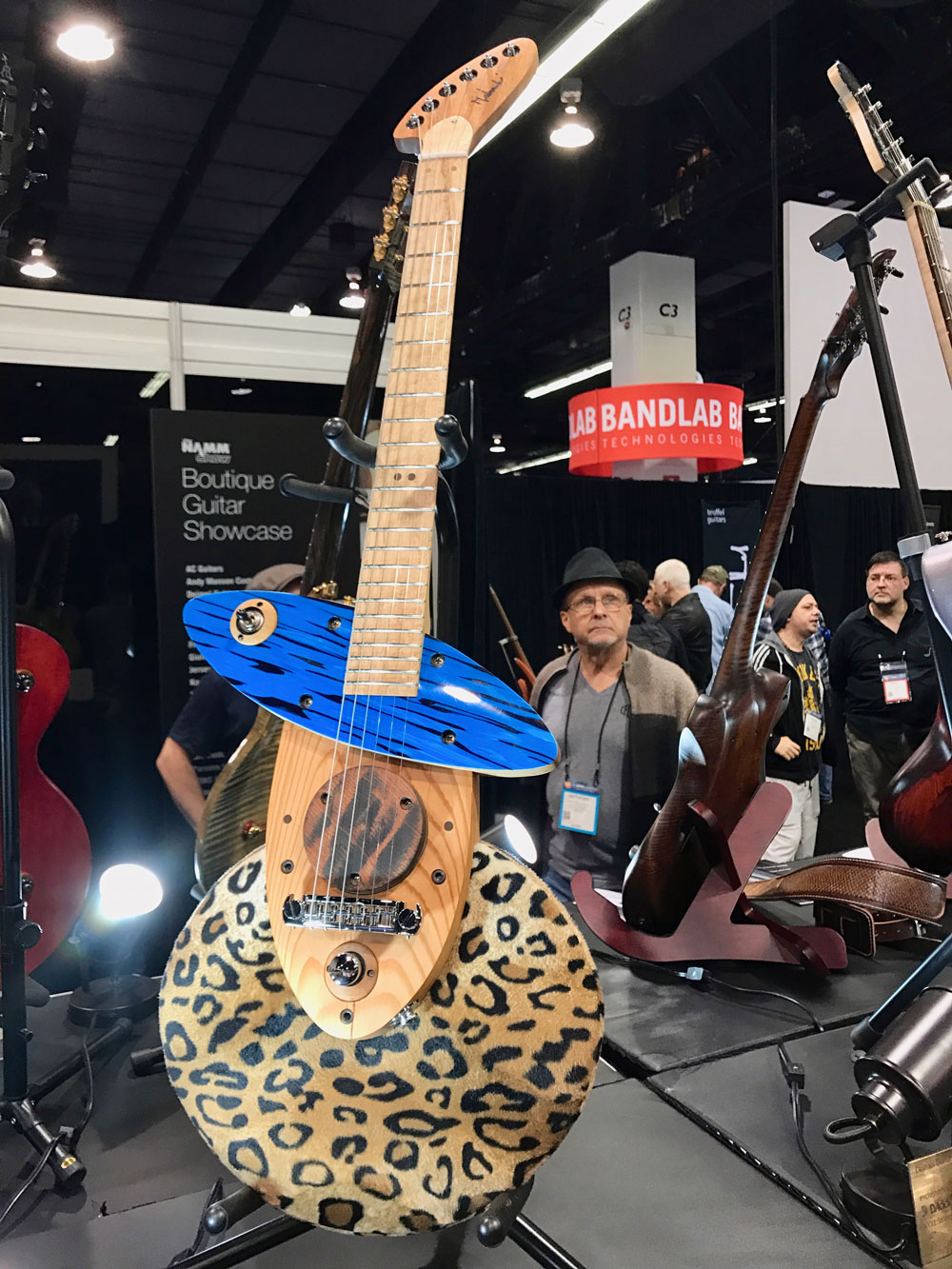
A modernist vision from luthier Pete Malinoski.
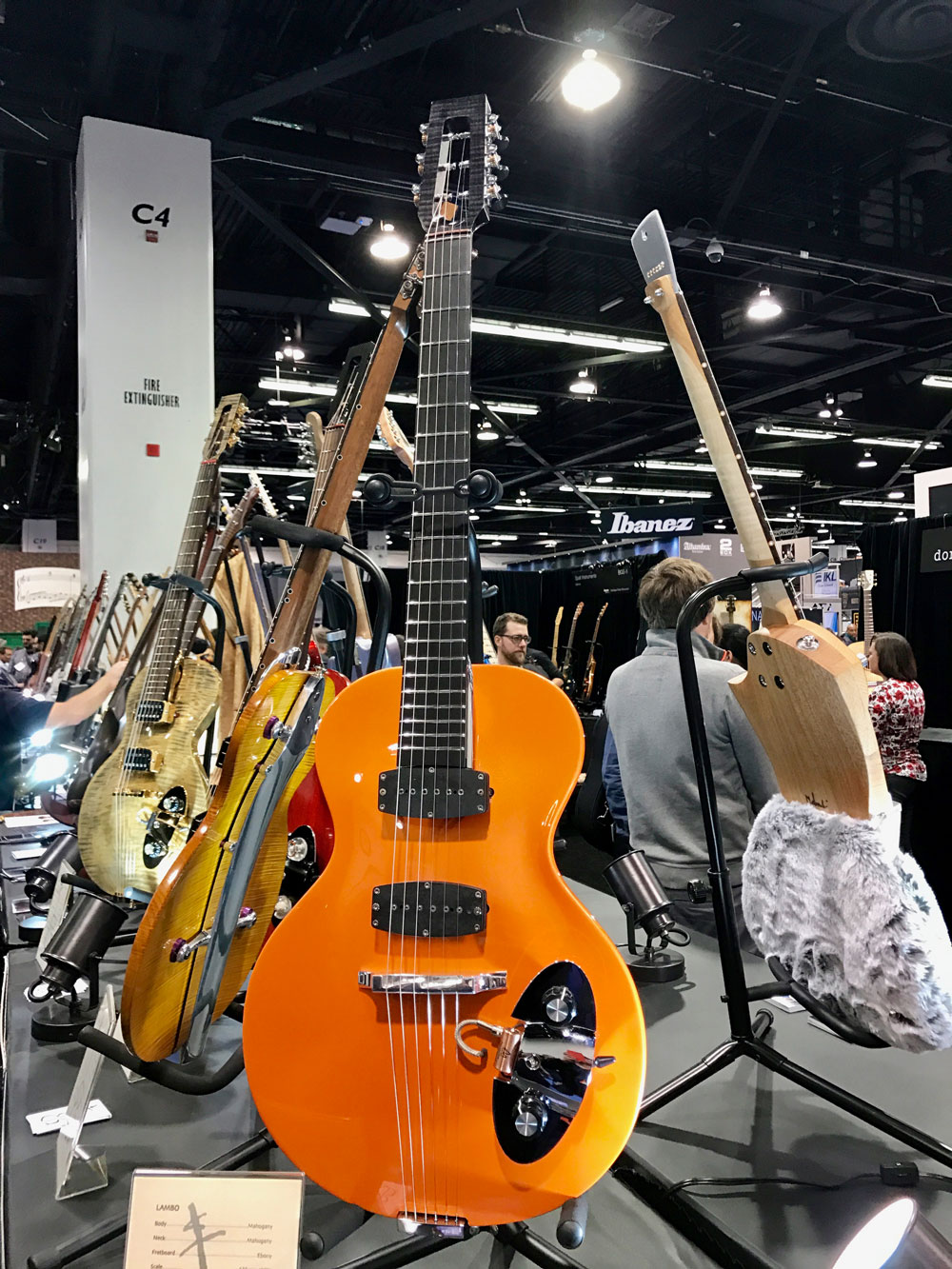
Pancake-thin perfection from Venice, Italy’s Di Donato Guitars.
Spalt’s Frankenstein Music Machine, a genuine show-stopper.
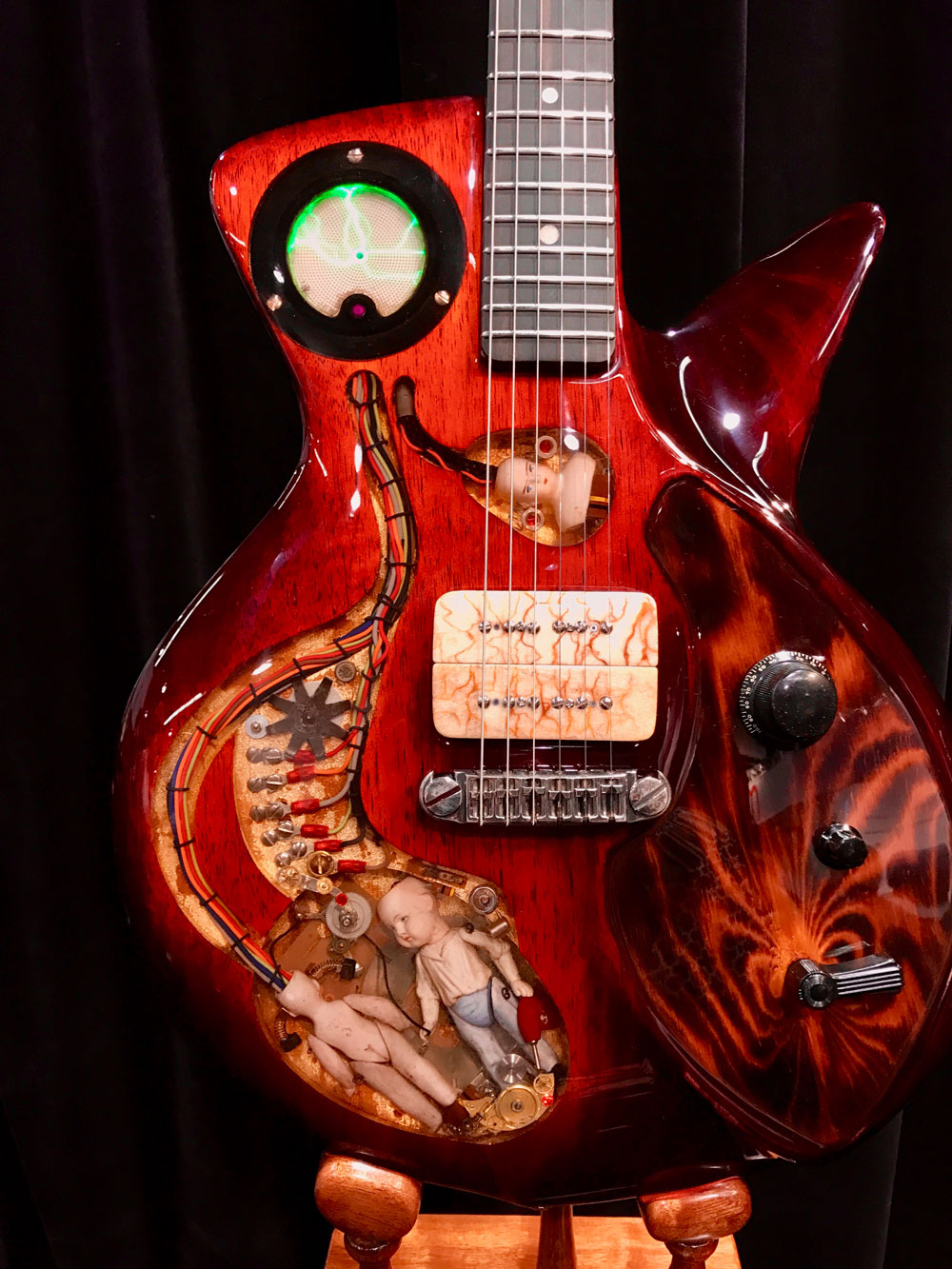
Whimsy unchained from Vienna-based luthier Michael Spalt.
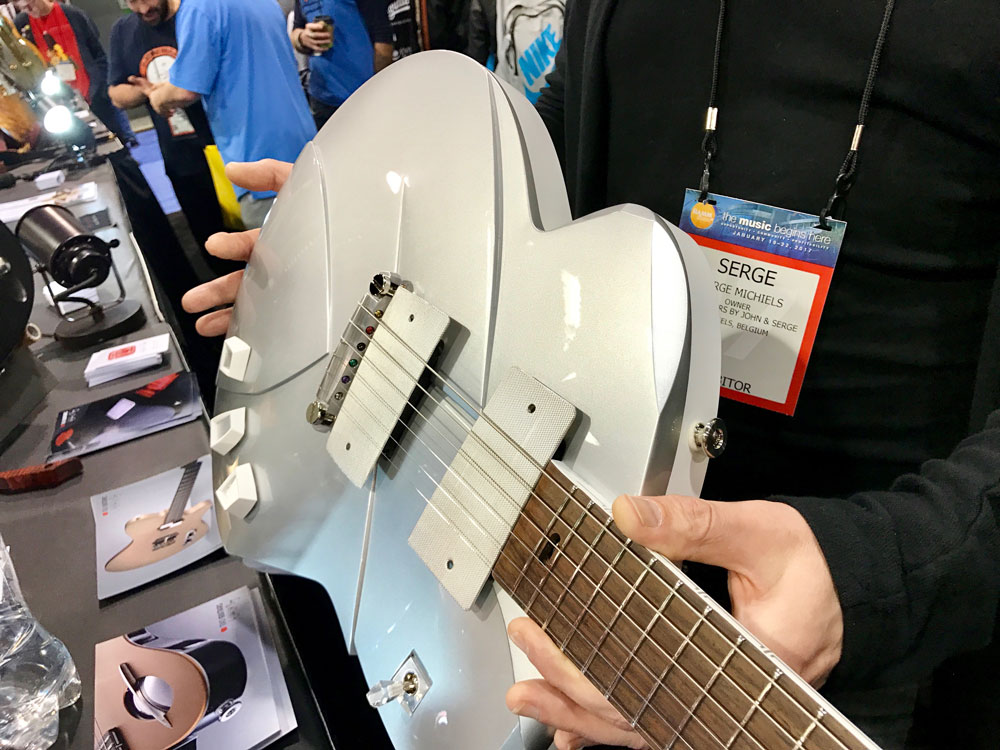
Serge Michaels of Belgium’s TAO Guitars shows off his magnificent Phaeton model.
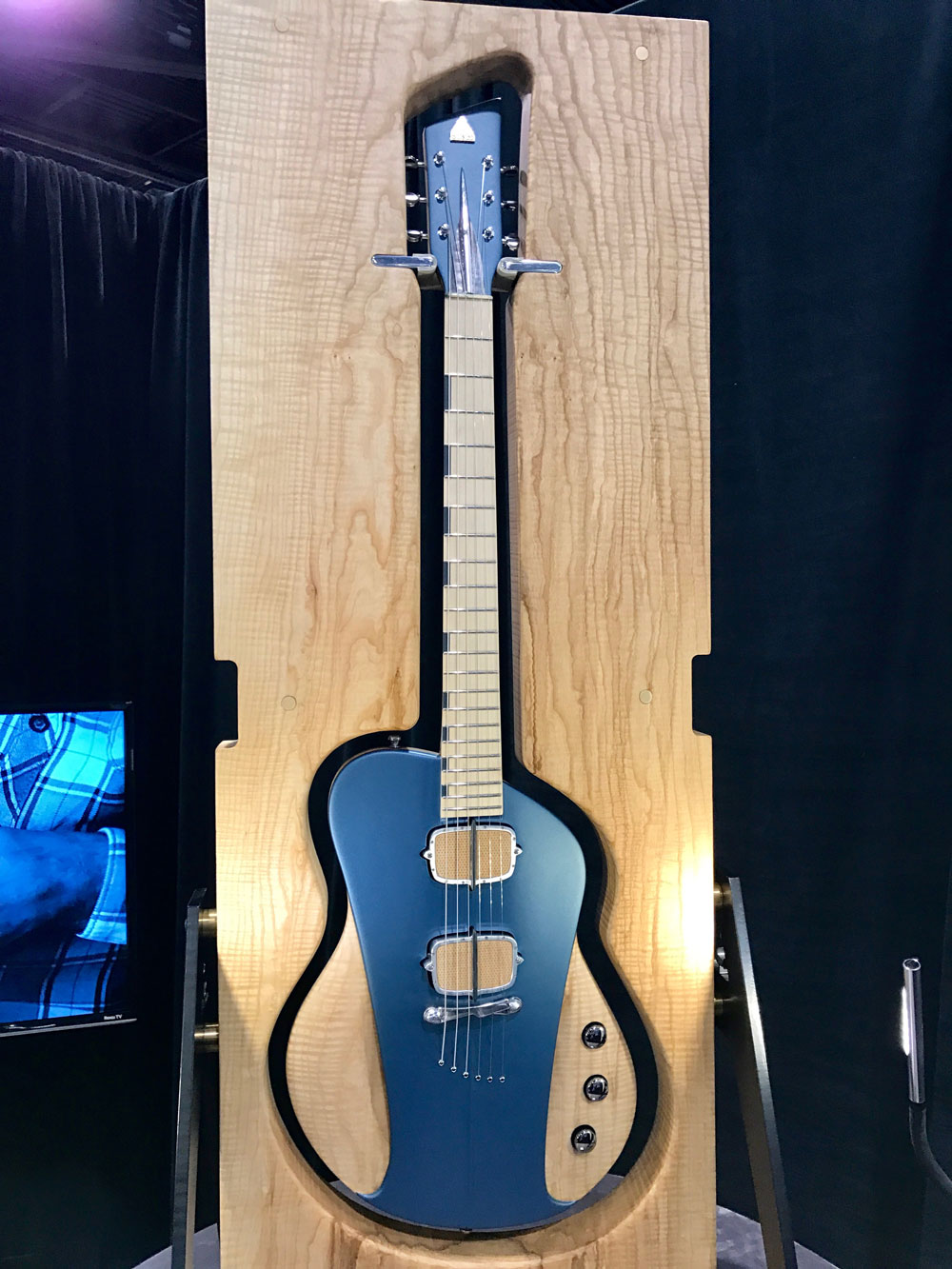
Like its name promises, the One-Piece Master from Sauvage is carved entirely from a single block of wood.
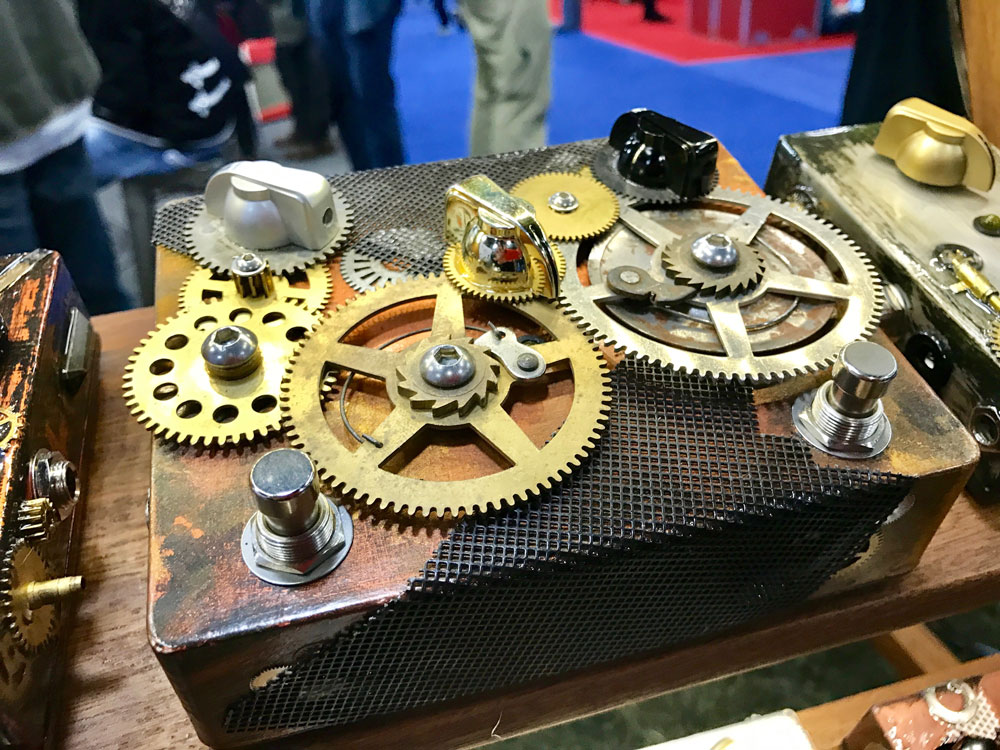
The Antikythera Mechanism of stompboxes from JAM Pedals. Yes, the gears work.
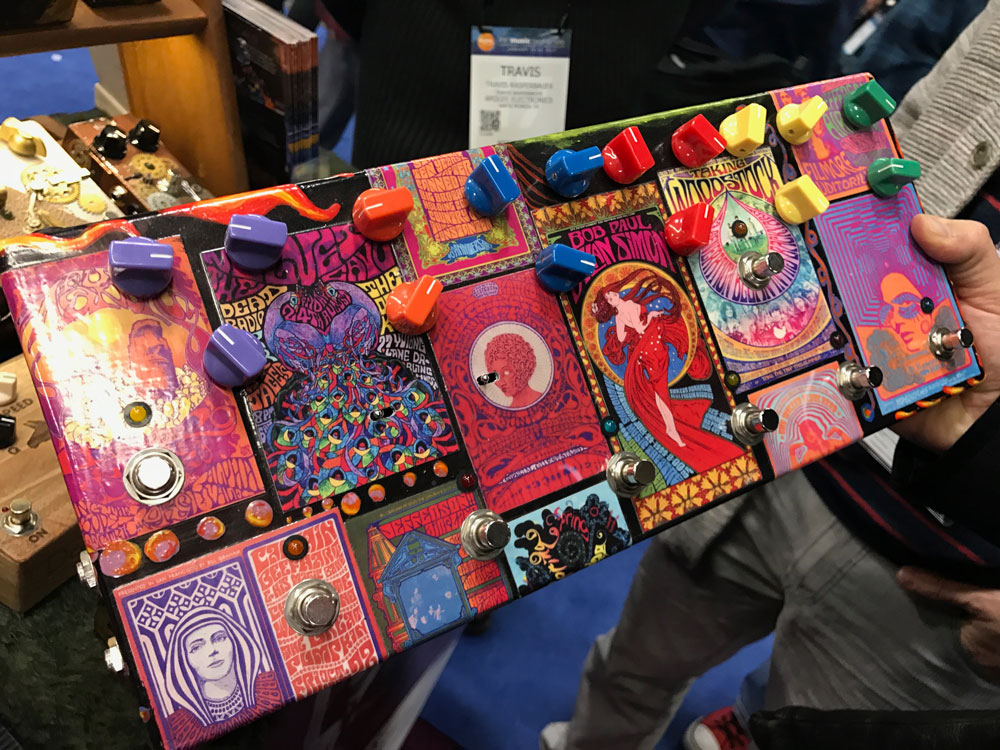
Fillmore poster meets multi-effect board — a lovely thing from JAM Pedals
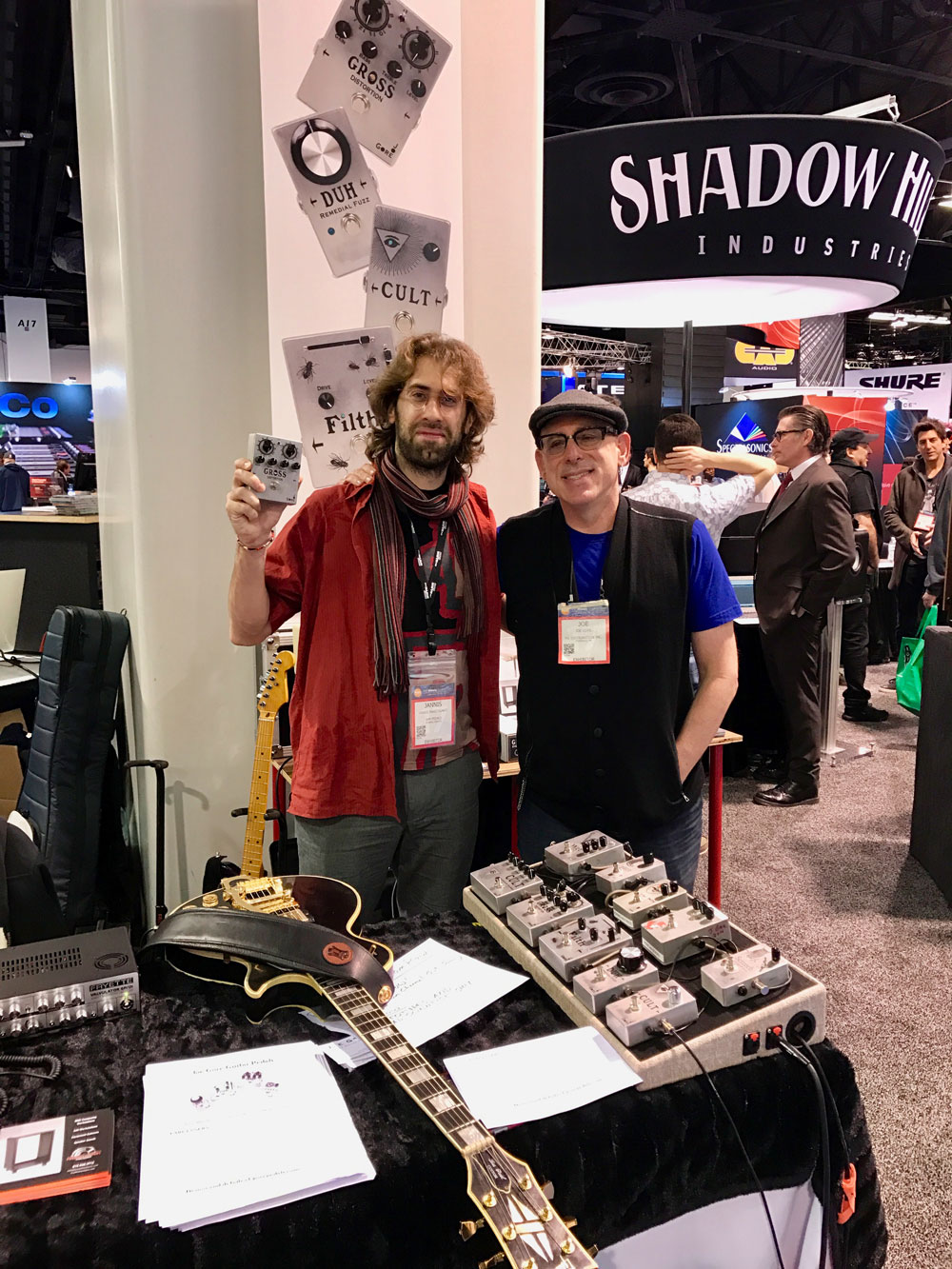
Jannis Anastasakis, brilliant builder behind Greece’s JAM Pedals.
My NorCal crew [L-R]: Xander Soren, the mastermind in charge of music apps at Apple (and a fine player); Talking Head and producer extraordinaire Jerry Harrison; some schnook; engineer, producer, producer, and cool guy Travis Kasperbauer.
It was awesome to meet the guys behind those ever-inventive Earthquaker pedals.
So nice to run into the brilliant Mike Keneally.
Eleven JAM effect in a single integrated pedalboard.
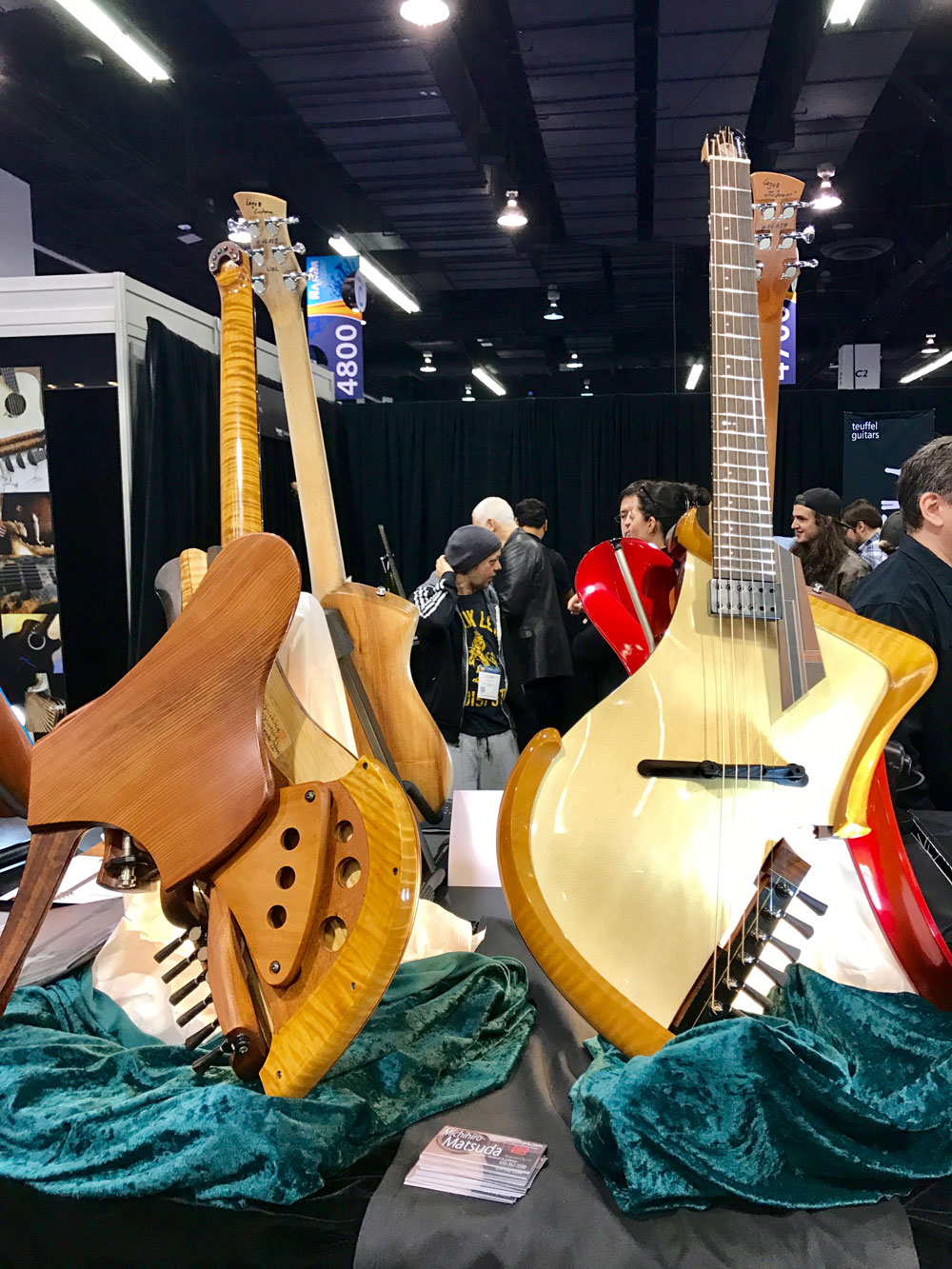
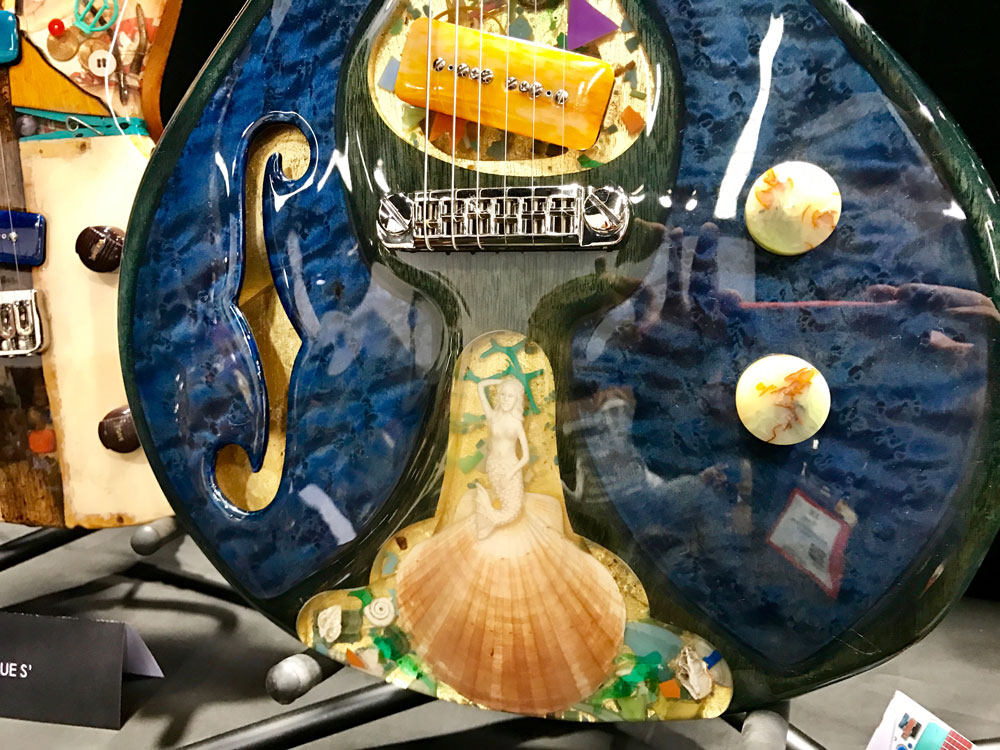
Curves galore from TAO Guitars.
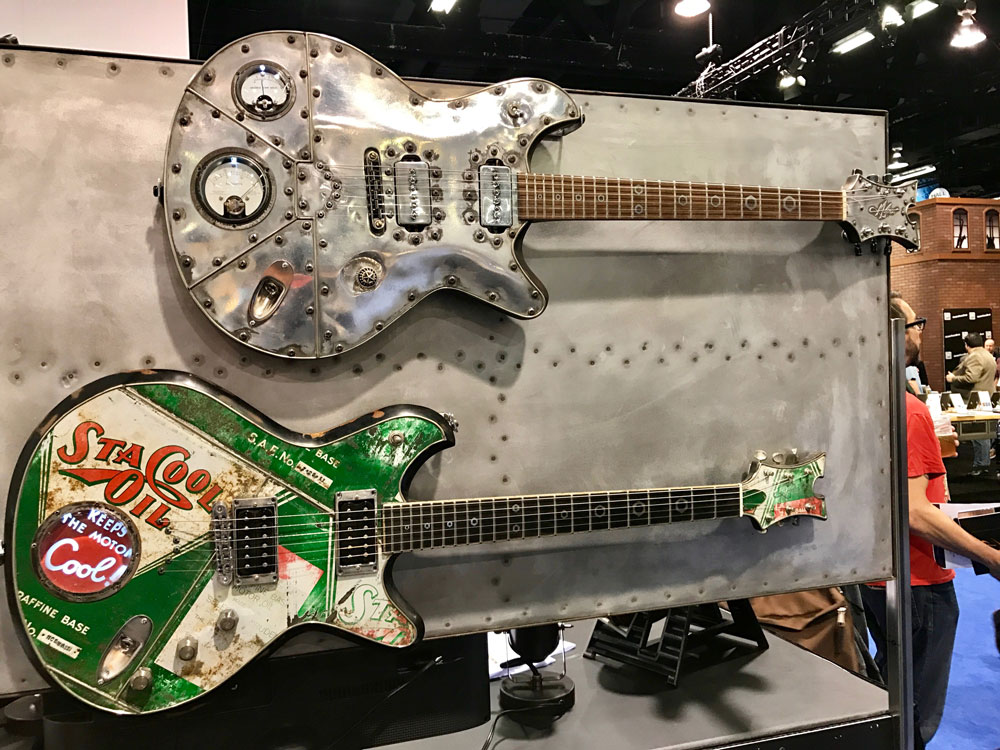
A metallic duo from McSwain Guitars.
A metallic duo from McSwain Guitars.
Jannis Anastasakis of JAM Pedals was kind enough to loan me one of the eye-popping pedalboards from his display (the last image in the slideshow). I’ll be posting a demo here soon!
Is anyone attending the 2017 NAMM thing next week in Anaheim? I’ll be there demoing my pedals and checking out the latest guitars and gizmos. If you’re there, stop by and say hi! I’ll be at booth #6820 in Hall A (that is, the pro audio room where guitarists fear to tread) with M1, my distributor (and sister company of my partners, Vintage King). I’ll be playing and talking about my stuff, and there will also be headphone stations where you can try them out for yourself.
The headphone rigs are newfangled Valvulators from Fryette Amplification. These are cool 1-watt tube amps for direct recording, with amp-style controls plus speaker emulations. There will also be a set of my pedals at Fryette’s booth, #4844 in guitar-intensive Hall C.
After writing about other people’s gear for so many years, it’s still difficult for me to wrap my head around the notion that I’m attending the show as a manufacturer, not a “journalist.” But I just completed a key manufacturer’s rite of passage: I order a 24″ x 80″ retractable sign hyping my boxes, just so I can stand in its shadow. It feels so … grown-up.
I’m not officially announcing our 2017 releases ’cause we’re not 100% what they’ll be yet. But I will be bringing a box full of experiments and prototypes, which should be amusing, assuming my sketchy demo builds survive the road trip. I’m also bringing a couple of new DIY guitars that I haven’t shared here yet.
I’m not really up to speed yet on what new gear to expect, so I haven’t yet put together a must-see list. Is there anything you are particularly eager to check out? Anything I should know about? Thanks in advance for your tips!

![My NorCal crew [L-R]: Xander Soren, the mastermind in charge of music apps at Apple (and a fine player); Talking Head and producer extraordinaire Jerry Harrison; some schnook; engineer, producer, producer, and cool guy Travis Kasperbauer.](https://tonefiend.com/wp-content/uploads/13.-Smart-Guys-1.jpg)